Creator blog.
New Post Every Month.





Blog #45 Cinematography Analysis: Good Will Hunting (1997)
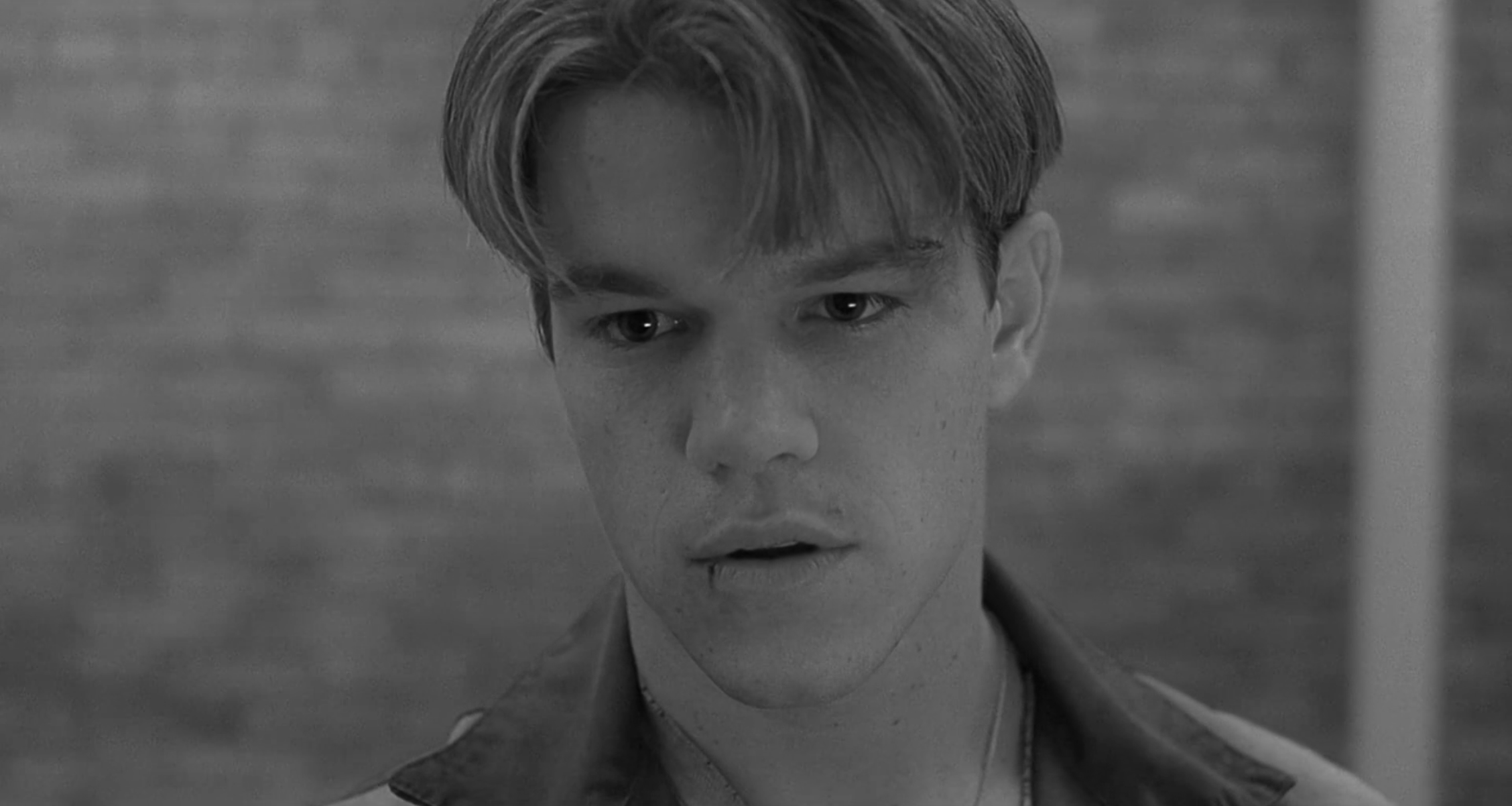
In this post, we’re looking at a classic from 1997. It features huge names by today’s standards—Robin Williams, Ben Affleck, and Matt Damon. However, it’s not a superhero movie, or a political thriller, or even a comedy; it’s a slow-paced drama—remember those?
The film has a 90’s look: soft grainy, noisy film, with minimal lighting. There’s plenty of movement too in the scenes, often on dollys.
Here are the tech specs:
Cinematography by Jean-Yves Escoffier
Shot on film using Panavision Cameras and Panavision Lenses, 35mm Print
Aspect ratio: 1.85:1
Shooting Regions: Canada, Massachusetts
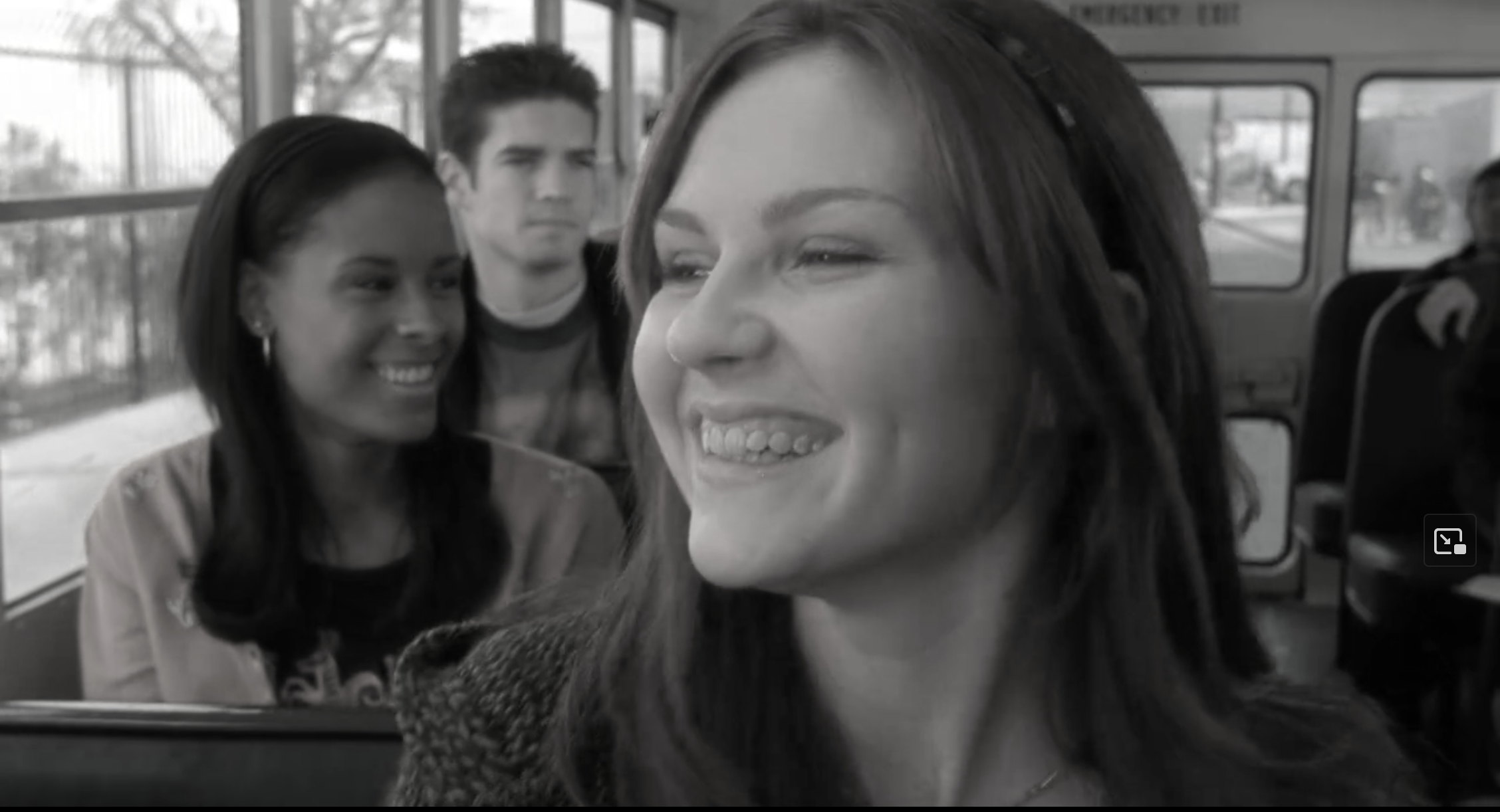
Blog #44 Cinematography Analysis: Spider-Man (2002)
Let’s talk Spider-Man—the original one.
A lot of people have strong feelings about this classic, especially when they compare it to the polished new films from Marvel Studios. Whatever your preference, it’s clear that this film has heart—a lot of it. It’s shot on film, and definitely has an aged look. Some might call it nostalgic…
Here are the tech specs:
Shot on film using Beaumont Vista Vision Camera, Panavision Panaflex Millennium XL Camera, Panavision Panaflex Platinum Camera and Panavision Primo Primes Spherical Lenses
Don Burgess - Cinematographer
Aspect ratio: 1.85:1
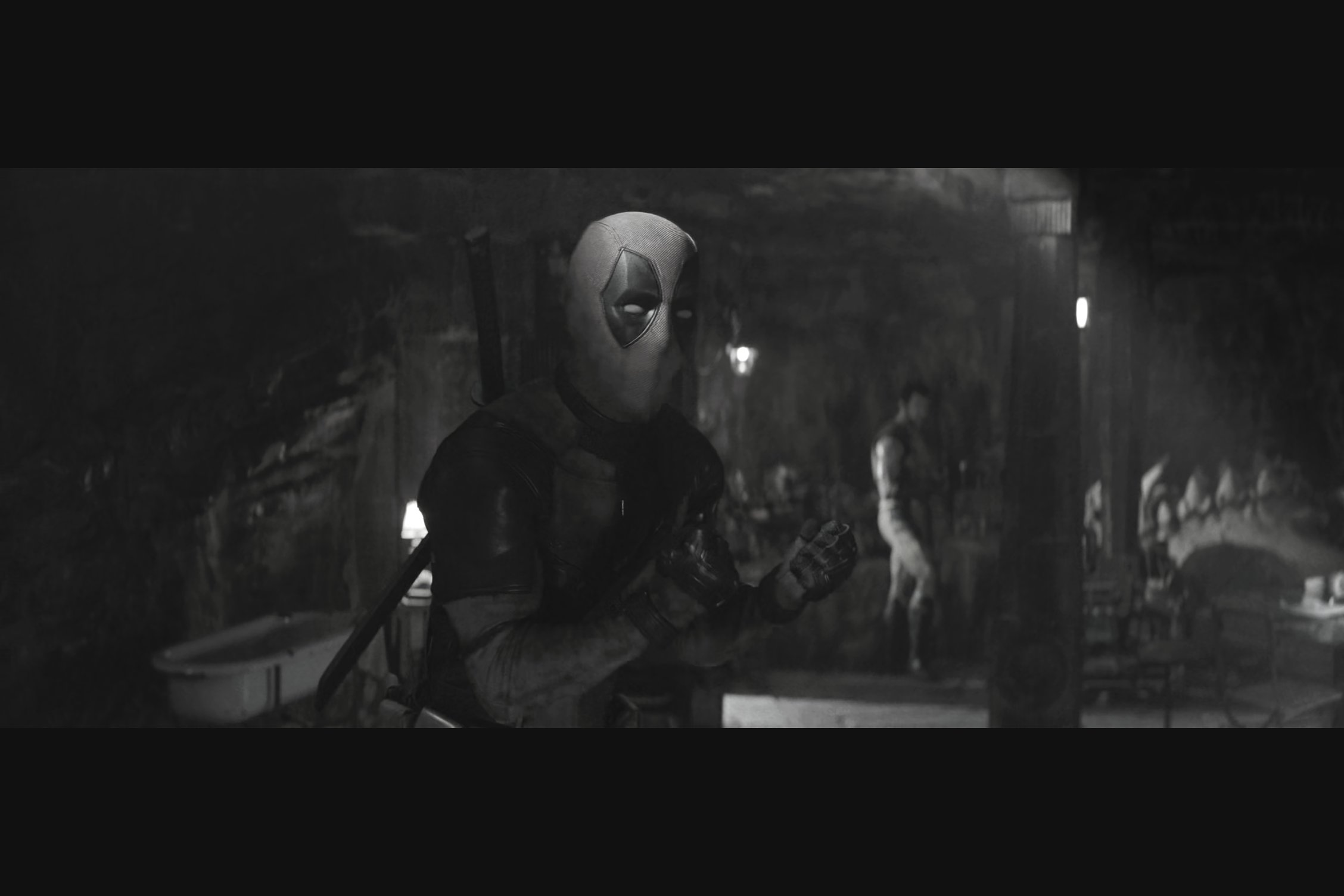
Blog #43 Cinematography Analysis: Deadpool and Wolverine (2024)
In this post, we’re going over the Marvel film Deadpool and Wolverine—two of the biggest comic-book stars in modern film.
The film has a challenge: merging two different styles together. The Deadpool films tend to be undersaturated, low-contrast movies; while the Wolverine films are dark, gritty movies.
The movie does this successfully, merging the styles together in a unique “Marvel“ way. It’s a pretty, modern looking film, with a lot of action and vast landscapes.
I’m going to go over the top 5 cinematography techniques used in the film. Some are obvious, some not.
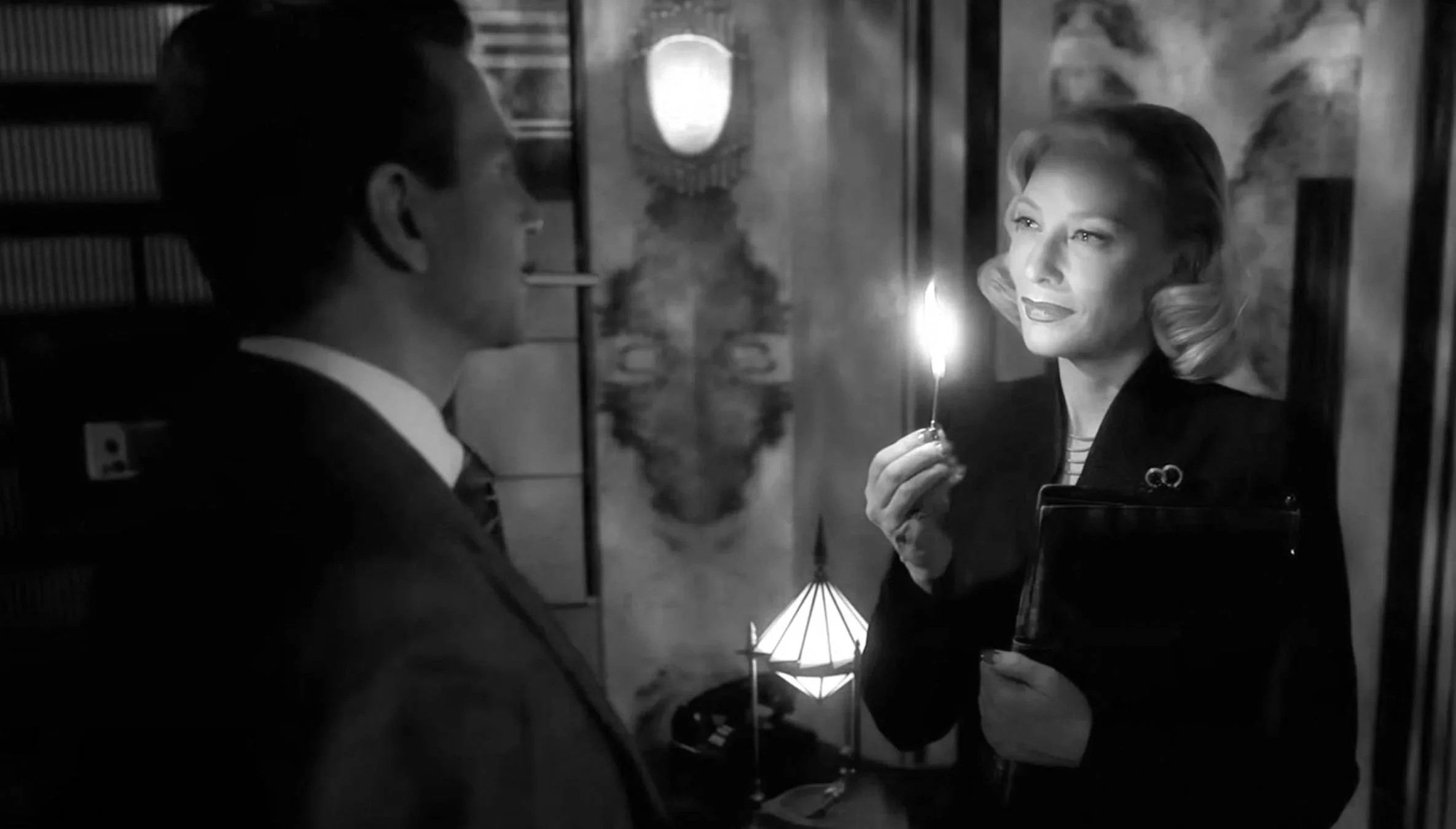
Blog #42 5 Ways to Light Your Next Shot
Looking for inspiration? A fresh take on the simple?
You’ve come to the right place. In this post, we’ll be taking a look at lighting your next shot. I’m going to share 5 ways you can setup your lighting setup in order to help you improve your lighting, or just give you new ideas. These are inspired from films—giving you a cinematic quality to your next setup. Some will feel old, while others will feel innovative and fresh; I guarantee you’ll take something new from it.
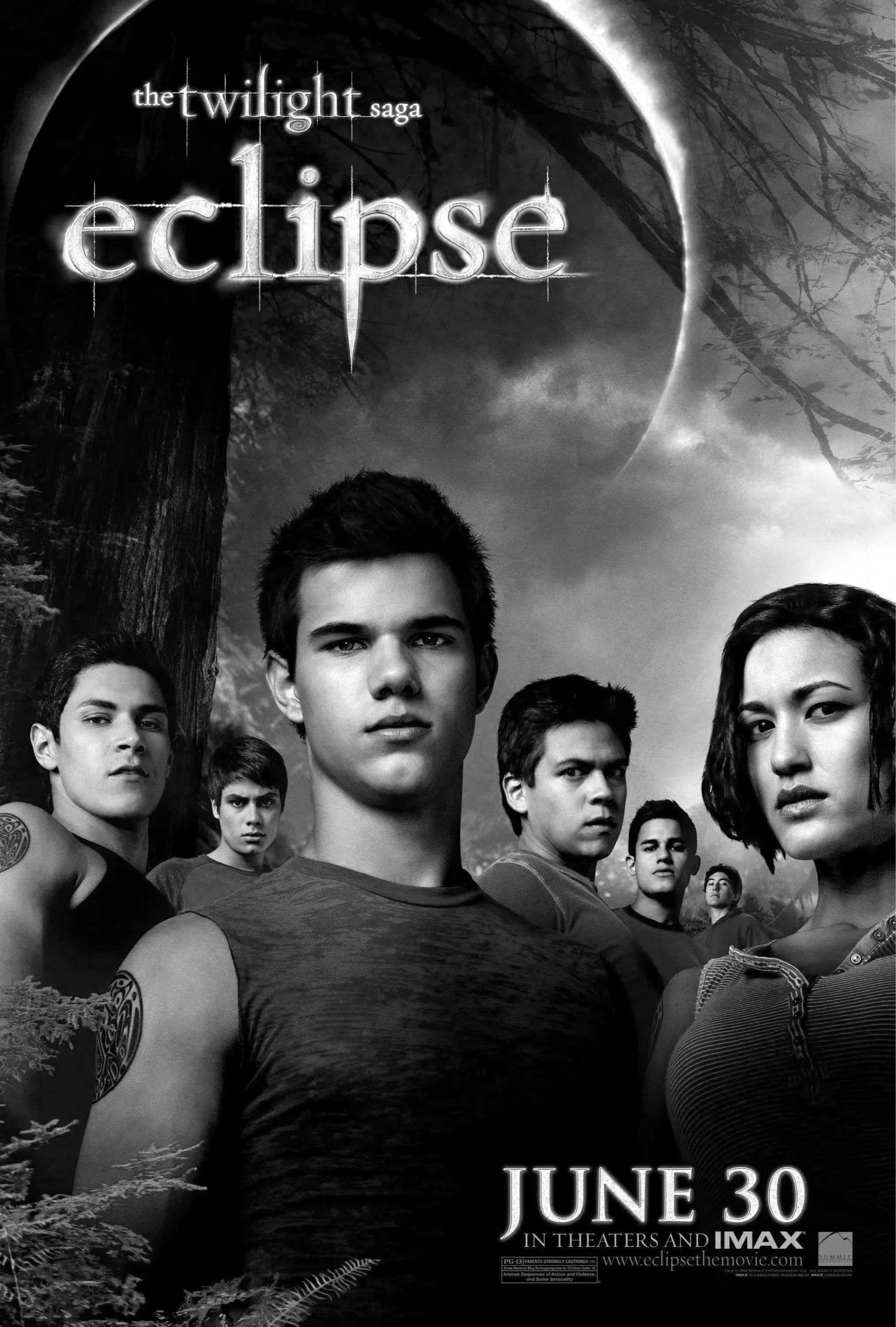
Blog #33 How the Twilight Franchise evolved with “Eclipse” (2010)
When Twilight - Eclipse released, it drew the usual reaction these films tend to do—men swearing they hated them and women pretending they weren’t enthralled by them. But…these films drew a huge silent audience, who watched with baited breath as the series evolved. With each film, there is a natural progression in scale and technical capacity; the franchise takes a step up each film. I’m going to be looking at the filmmaking techniques they used and why this franchise should serve as a template for success in the young-adult genre in the future.
This year, I will be releasing a fiction book. Naturally, I want it to perform well and accumulate a strong readership.
This brings me to the topic of this post—marketing.
How does one market a book, or any product at all?
I’ve researched it, added a few ideas of my own, and have compiled all the ways one can market a book/product in this post.
A few may surprise you…