Blog #36 Show, Don’t Tell
Show, don’t tell.
What does that mean?
In this week’s lesson/ramble, I want to share the importance of showing, as opposed to telling.
Hear me out.
When people say “show, don’t tell“, they are outlining the best ways to tell a story. When storytelling, one has two options:
Tell - “I love my family,“ Sophie said.
or
Show - Sophie gave her family a big hug.
See the difference?
One is showing, the other is telling. Why is showing better? There are a few factors to consider, which I’ll give next.
Telling is lazy.
Telling—in the context of a story—is the equivalent of filling your dog’s dirty bowl with water and then pouring it out again; that’s not cleaning. Your dog’s bowl is still dirty. Clean it properly.
Showing is more subtle and meaningful.
Showing, in the family example above, has more depth. The action of giving a hug adds a physical layer to the statement. It’s more subtle and shows the character’s qualities through action, not empty words.
Showing is less forced and obvious.
When telling, it feels like the writer wanted to shove in a plot point without doing the ground work. You’ve got to add meaning to a character’s decisions. There’s got to be meaningful gestures in their actions. Otherwise, it’s just cheap.
This extends to outside of the video world too!
In 1988, Batman - The Killing Joke was released. It’s a graphic novel featuring Batman and the Joker.
Guess what? The dialogue in it doesn’t begin until page 4. Page 4! That’s 3 whole pages and 22 panels until the first word is spoken.
Here’s the big deal: this graphic novel was a huge hit. It’s a big deal in the comic world—a must-read for Batman fans.
What does that mean for show, don’t tell? It means don’t over-explain everything. Your audience will always be smarter than you. Let them figure it out!
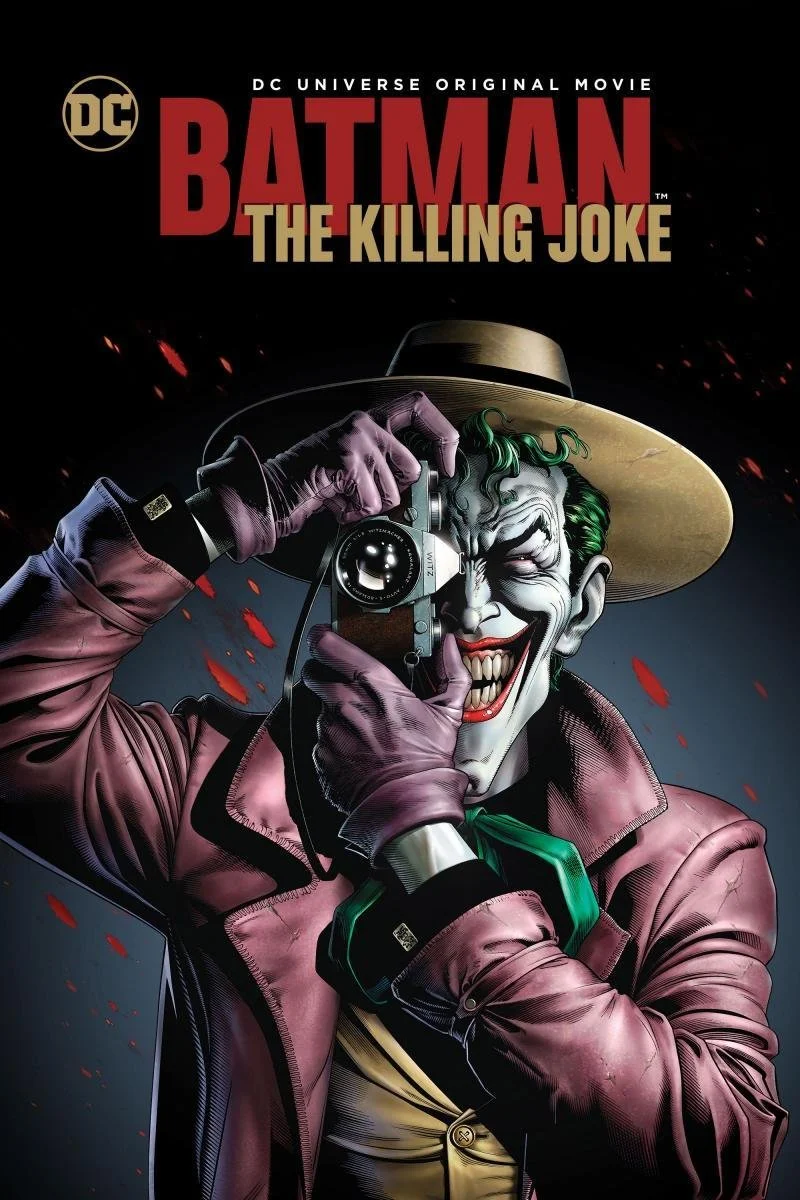
The Killing Joke (2016 animated movie based on graphic novel)
“Once you notice the difference, you start seeing it everywhere — in films, books, comics, even awkward conversations you overhear in Tesco. Some people show who they are through what they do; others talk themselves into circles. Stories work the same way.“
-Chat GPT, 2025
I hope you learned something from this post. I felt the need to vent this information because I’ve been reading a lot of modern comics recently, and they all make the same mistake—telling, not showing. Comics are for enjoying the artwork, not for reading huge dialogue bubbles. If I wanted to read a speech, I’d pick up a book; refer to the experts, and show, don’t tell.
Those are my thoughts. I find this stuff fascinating. Hope you found something useful in here.
Thanks for reading and if you’ve any comments, let me know down below.
Good luck out there.
-D.C.