Creator blog.
New Post Every Month.

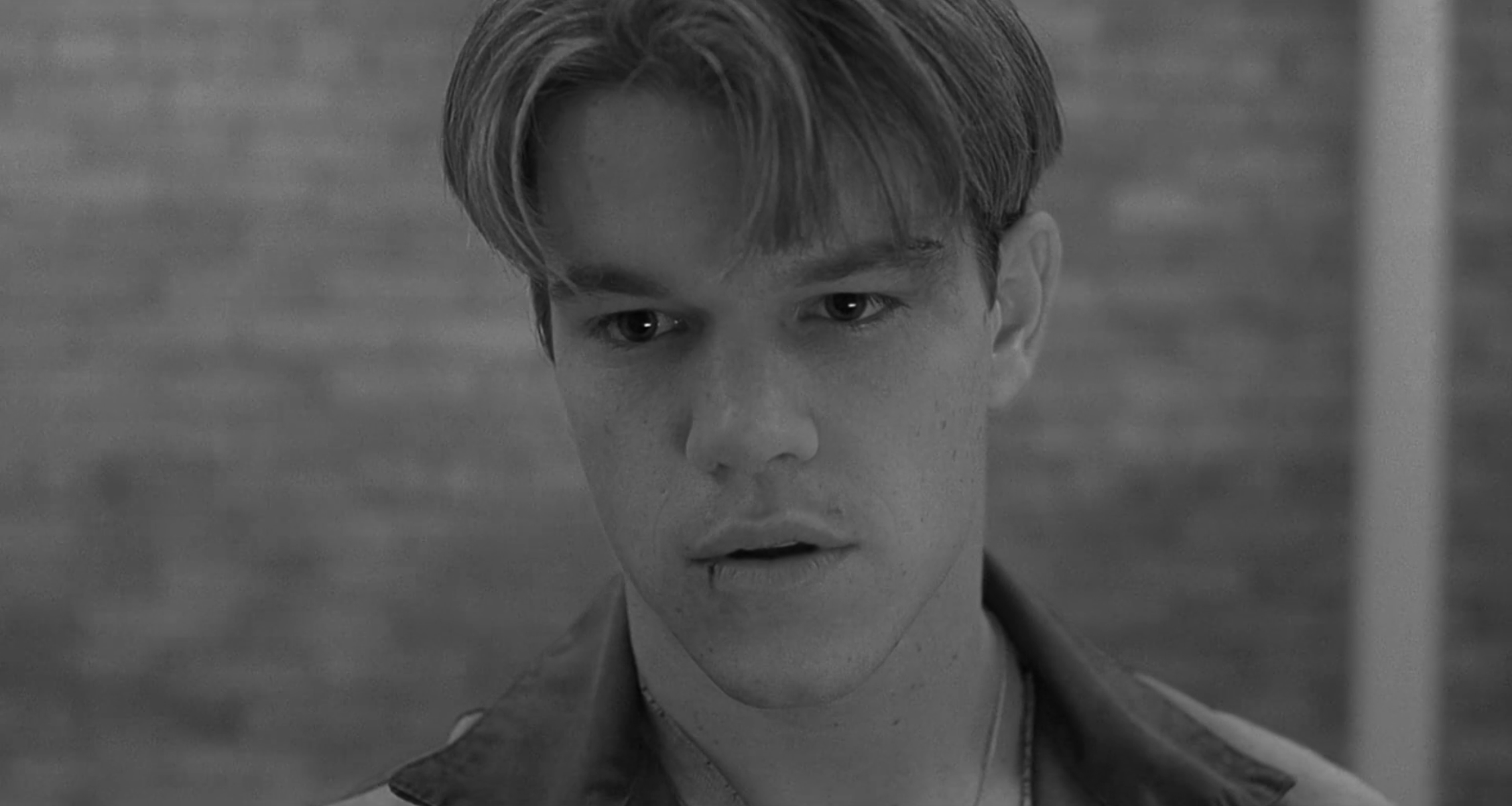



Blog #45 Cinematography Analysis: Good Will Hunting (1997)
In this post, we’re looking at a classic from 1997. It features huge names by today’s standards—Robin Williams, Ben Affleck, and Matt Damon. However, it’s not a superhero movie, or a political thriller, or even a comedy; it’s a slow-paced drama—remember those?
The film has a 90’s look: soft grainy, noisy film, with minimal lighting. There’s plenty of movement too in the scenes, often on dollys.
Here are the tech specs:
Cinematography by Jean-Yves Escoffier
Shot on film using Panavision Cameras and Panavision Lenses, 35mm Print
Aspect ratio: 1.85:1
Shooting Regions: Canada, Massachusetts

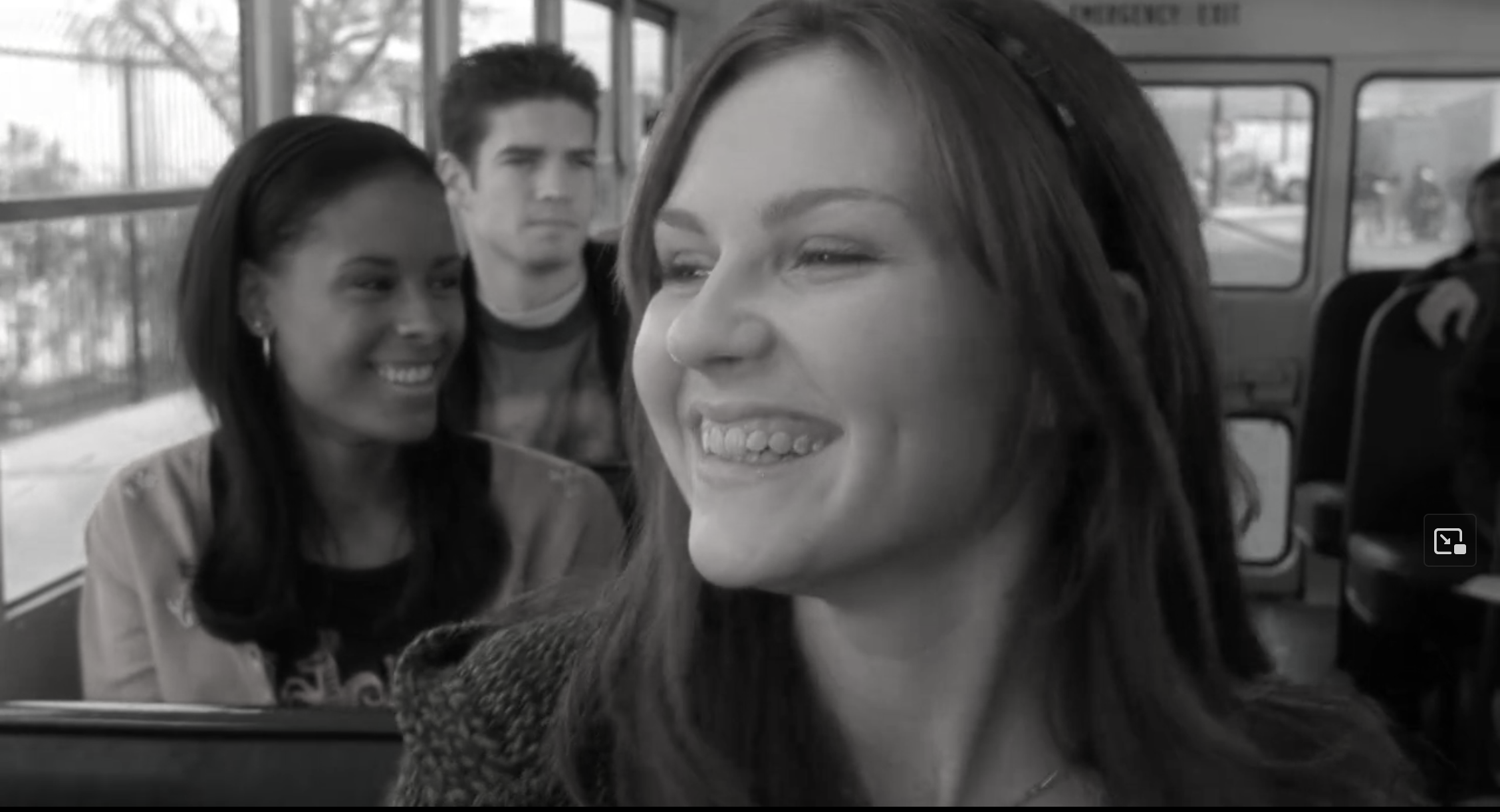
Blog #44 Cinematography Analysis: Spider-Man (2002)
Let’s talk Spider-Man—the original one.
A lot of people have strong feelings about this classic, especially when they compare it to the polished new films from Marvel Studios. Whatever your preference, it’s clear that this film has heart—a lot of it. It’s shot on film, and definitely has an aged look. Some might call it nostalgic…
Here are the tech specs:
Shot on film using Beaumont Vista Vision Camera, Panavision Panaflex Millennium XL Camera, Panavision Panaflex Platinum Camera and Panavision Primo Primes Spherical Lenses
Don Burgess - Cinematographer
Aspect ratio: 1.85:1

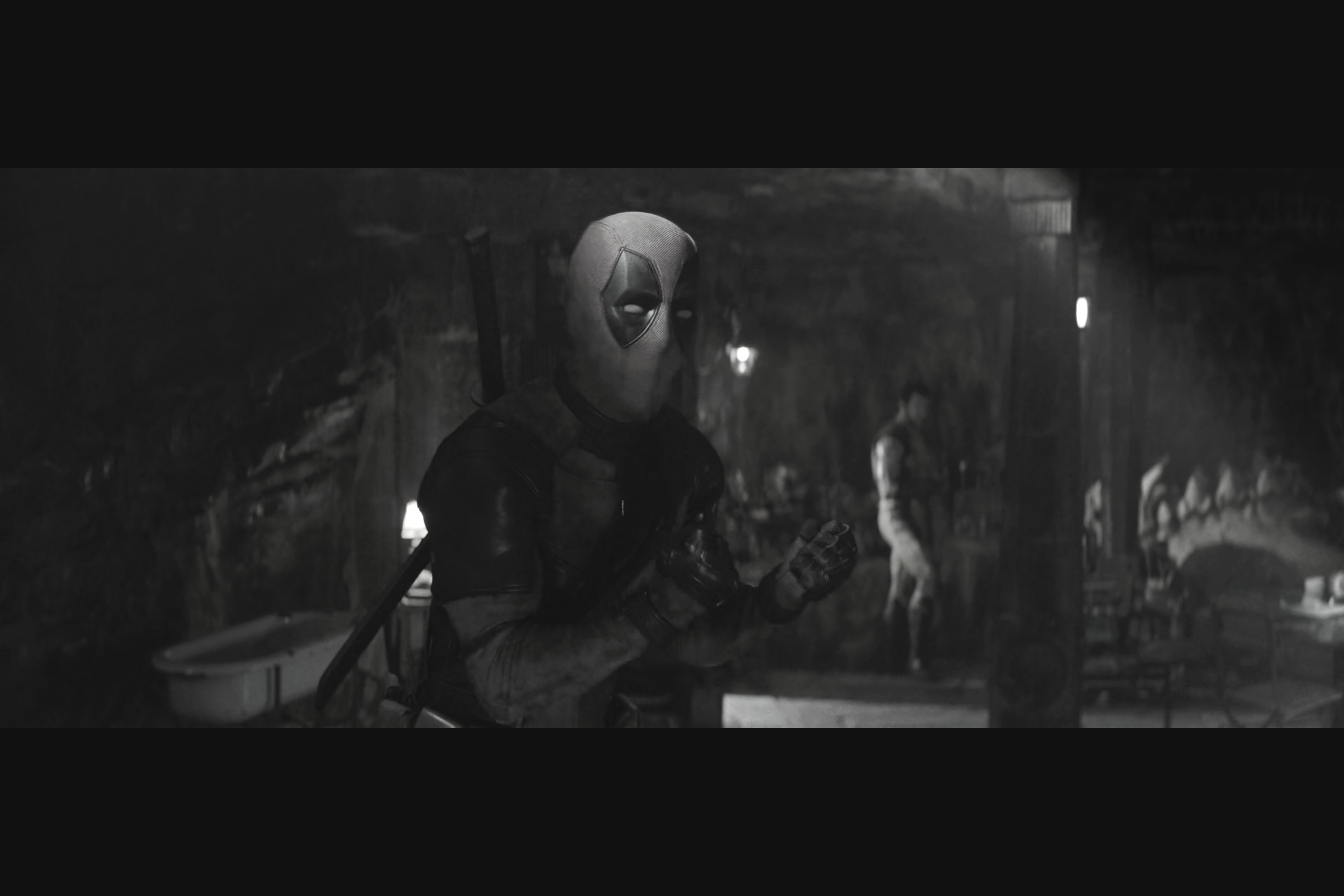
Blog #43 Cinematography Analysis: Deadpool and Wolverine (2024)
In this post, we’re going over the Marvel film Deadpool and Wolverine—two of the biggest comic-book stars in modern film.
The film has a challenge: merging two different styles together. The Deadpool films tend to be undersaturated, low-contrast movies; while the Wolverine films are dark, gritty movies.
The movie does this successfully, merging the styles together in a unique “Marvel“ way. It’s a pretty, modern looking film, with a lot of action and vast landscapes.
I’m going to go over the top 5 cinematography techniques used in the film. Some are obvious, some not.

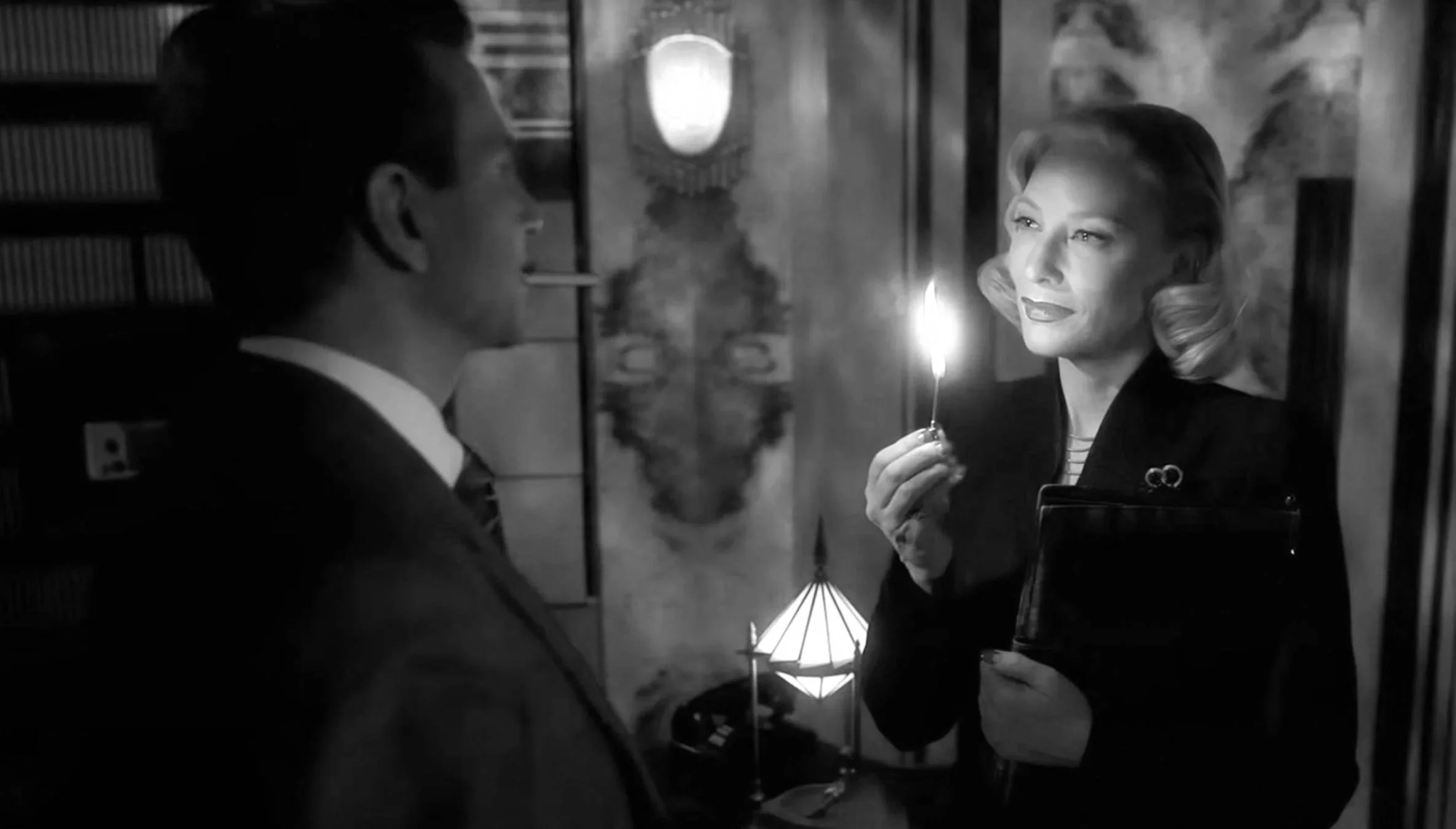
Blog #33 How the Twilight Franchise evolved with “Eclipse” (2010)
When Twilight - Eclipse released, it drew the usual reaction these films tend to do—men swearing they hated them and women pretending they weren’t enthralled by them. But…these films drew a huge silent audience, who watched with baited breath as the series evolved. With each film, there is a natural progression in scale and technical capacity; the franchise takes a step up each film. I’m going to be looking at the filmmaking techniques they used and why this franchise should serve as a template for success in the young-adult genre in the future.
In this blog post, we’re going to be looking at something BIG.
This year, Newtown Productions has stepped into the world of book publishing, with my own short novel—The Quest for Helga.
The Quest for Helga is a fantasy novel that answers a simple question: what would you do to protect the ones you love?
It’s the first book in the Free World series, and for comparison, it’s somewhere between The Hobbit and The Witcher.
Released on the 4th of September 2026, it is an Amazon exclusive, available in eBook and Paperback.
Put simply, I wrote the fantasy book that I wanted to read, with all the swords, drama, and quests that one could wish for. It took over a year to plan, write, and edit it together. Long time! The first draft was about twice as long as the final one, which was mainly due to me learning how to write properly! You know—pacing, formatting, readability, etc.
There was tons of learning to do outside of writing also. The covers took a lot of research and different drafts before I landed on the final cover for eBook (below), and Paperback. In the end, I focused on making a minimal cover with good contrast between the text and the background.
Formatting was another huge learning curve. In the end, I went with a 5.06 by 7.81 inches sized Paperback, with room for a Hardback in the future. The smaller size works because it’s a shorter novel. Quick note: I ordered an author proof copy of my book, and I decided to change the cover from matte to glossy, to help the text pop.