Blog #44 Cinematography Analysis: Spider-Man (2002)
Let’s talk Spider-Man—the original one.
A lot of people have strong feelings about this classic, especially when they compare it to the polished new films from Marvel Studios. Whatever your preference, it’s clear that this film has heart—a lot of it. It’s shot on film, and definitely has an aged look. Some might call it nostalgic…
Here are the tech specs:
Shot on film using Beaumont Vista Vision Camera, Panavision Panaflex Millennium XL Camera, Panavision Panaflex Platinum Camera and Panavision Primo Primes Spherical Lenses
Don Burgess - Cinematographer
Aspect ratio: 1.85:1
Time to break it down into 5 points:
Wide angle lenses for close-ups: These days, using wide angle lenses for anything other than wides is seen as comical. Everything is shot on claustrophobic 85mm lenses, whether it’s TV or film. Not Spider-Man, 2002. This film utilises wide-angle lenses for close-ups too, which makes the film feel a lot more fun and light-hearted. See the image below:
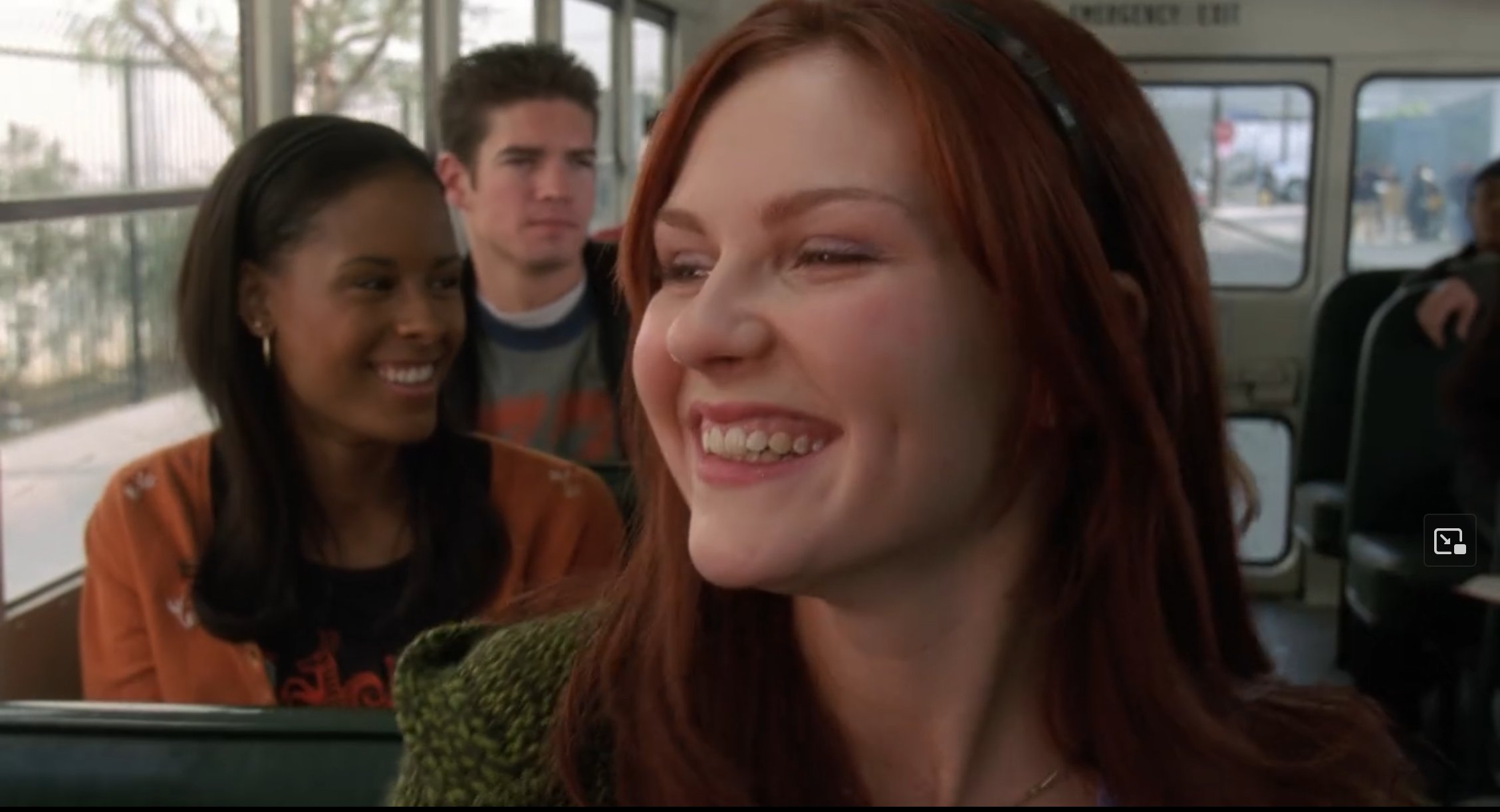
Wide angle lenses for close ups
2.Green accents—like many other films from the time, there are noticeable green accents in the frame, found throughout the film. They are often subtle, just hints of green in the shadow, but it gives the film a recognisable “filmic“ feel. See the image below, if you don’t believe me!
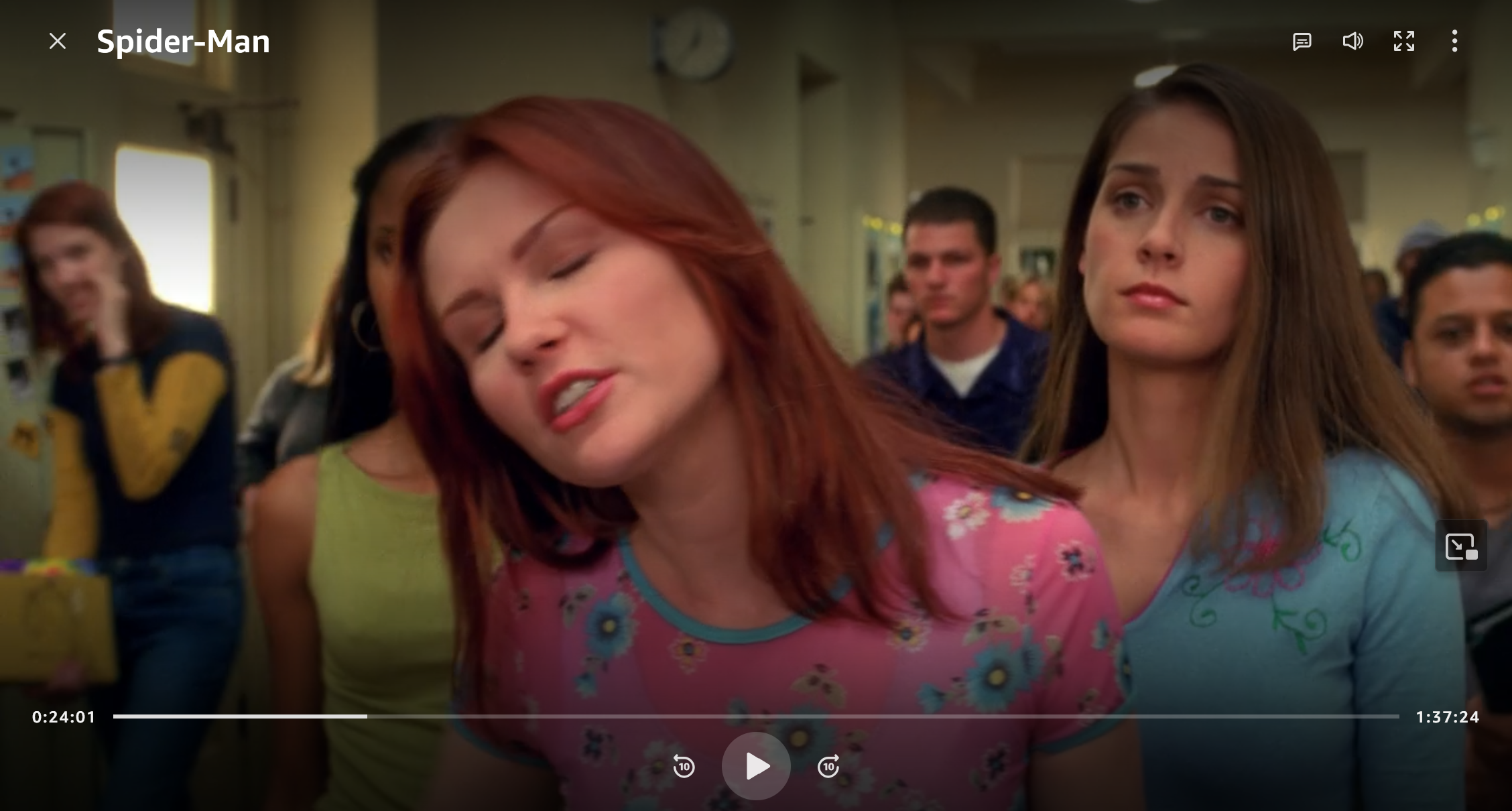
Green accents in the shadows
3.Soft look—this isn’t something you can replicate naturally, it’s something you could achieve in post. The film has a naturally soft look, brought on by the film roll and the lenses it was shot on.
Many filmmakers try to make modern camera setups softer these days, because they’re so sharp. Zack Snyder de-tuned his lenses on Army of the Dead (2021) to help get a softer look.
How could you soften your image in post? Easy—by adding grain, noise, and a glow to your highlights. (I recommend the Halation effect in Resolve for glowing highlights.) It won’t be the same, but it will help with the digital look.
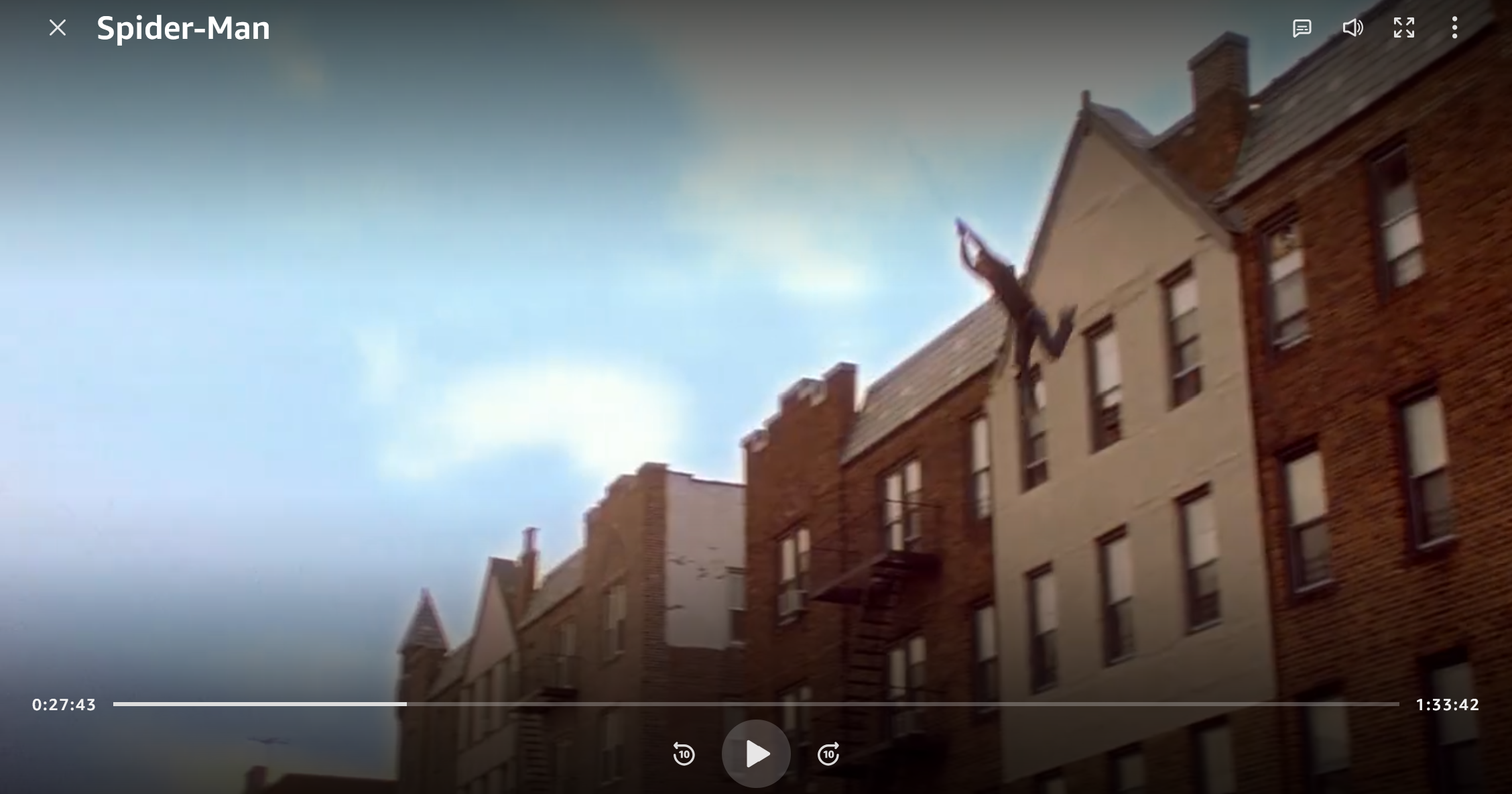
Soft look
4.Leading lines—in a conversation between Peter Parker and Mary-Jane Watson, leading lines are seen between the two characters, creating a connection between the two. You could even argue there are two leading lines: one is the fence below, and two is the power lines behind and above. I’ll let you decide the truth…
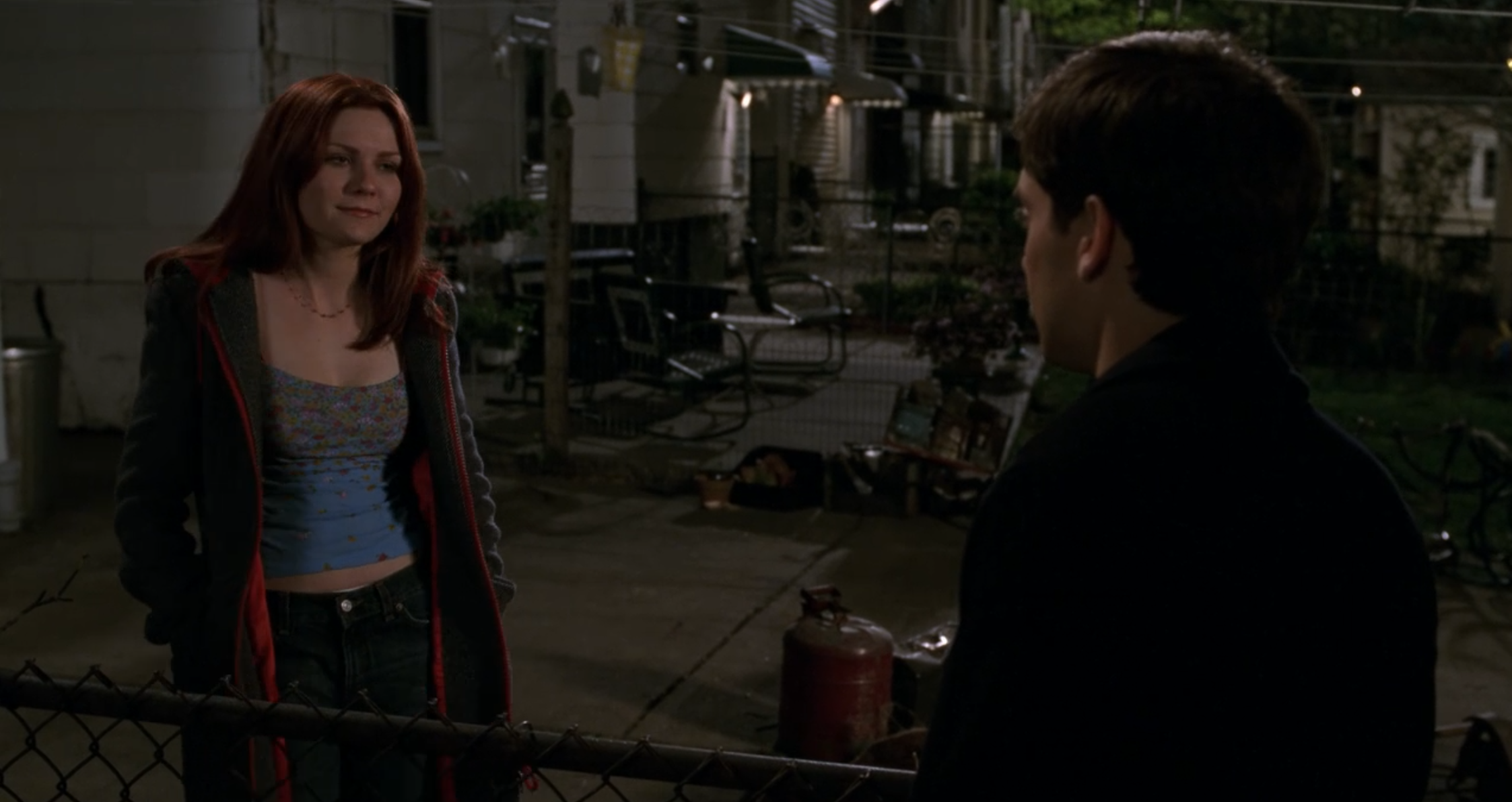
Leading lines
5.Top lighting—this film came at a time when top lighting was huge in Hollywood. Naturally, it’s in almost every shot, even when it doesn’t technically make sense. It looks nice but I can see why modern day filmmakers have adopted a more realistic approach to lighting: being more sensible with their sources. Nevertheless, it helps create a nostalgic feel, because it’s a product of an era.
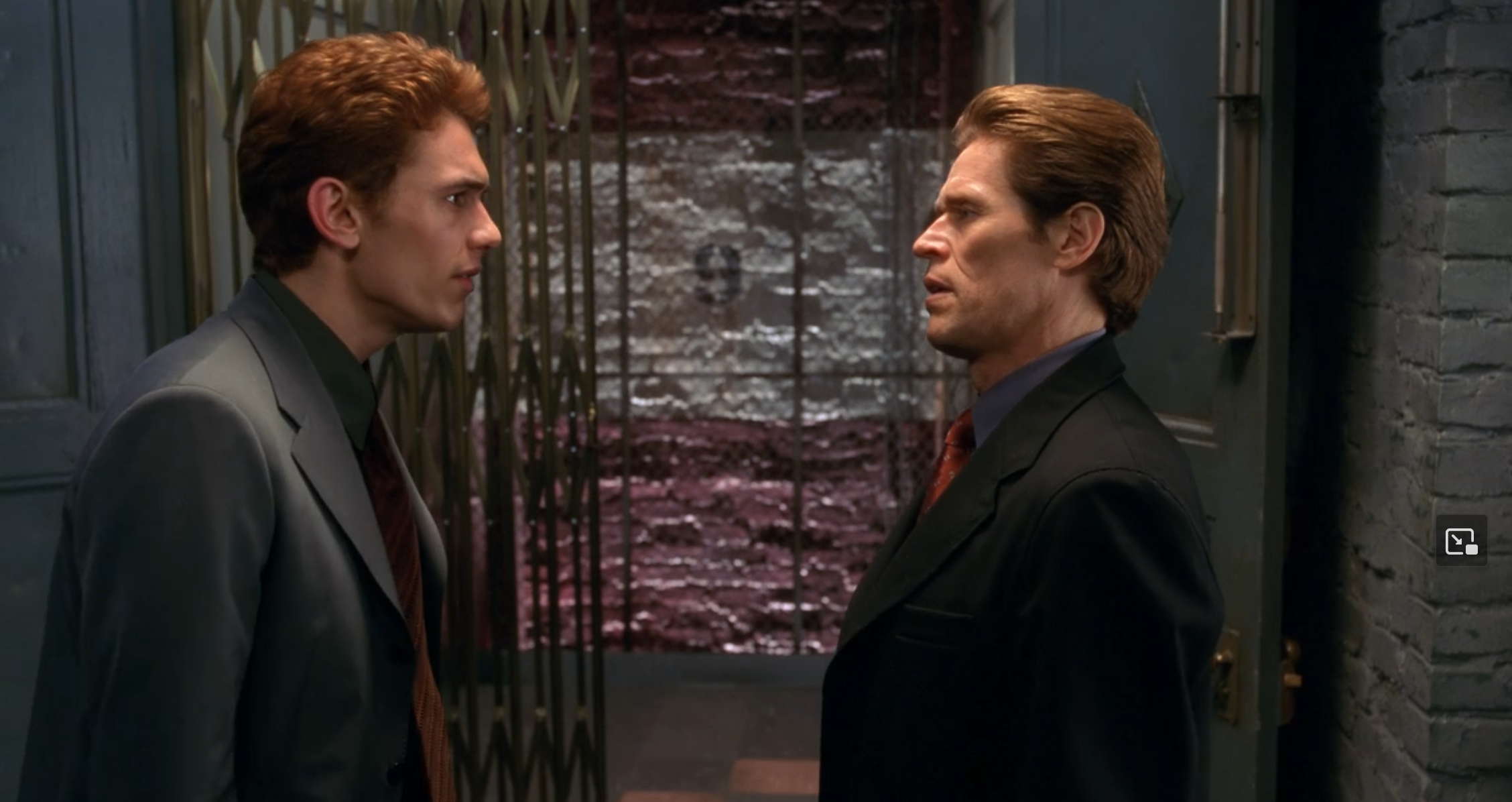
Top lights
That’s all for this film. By modern standards, it has the look of a TV comedy. If I’m honest though, I like how it doesn’t take itself too seriously, and allows the viewer to take a back seat in the film, and not be so heavily invested in the drama.
Thanks for reading and if you’ve any comments, let me know down below.
Good luck out there.
-D.C.