Creator blog.
New Post Every Month.
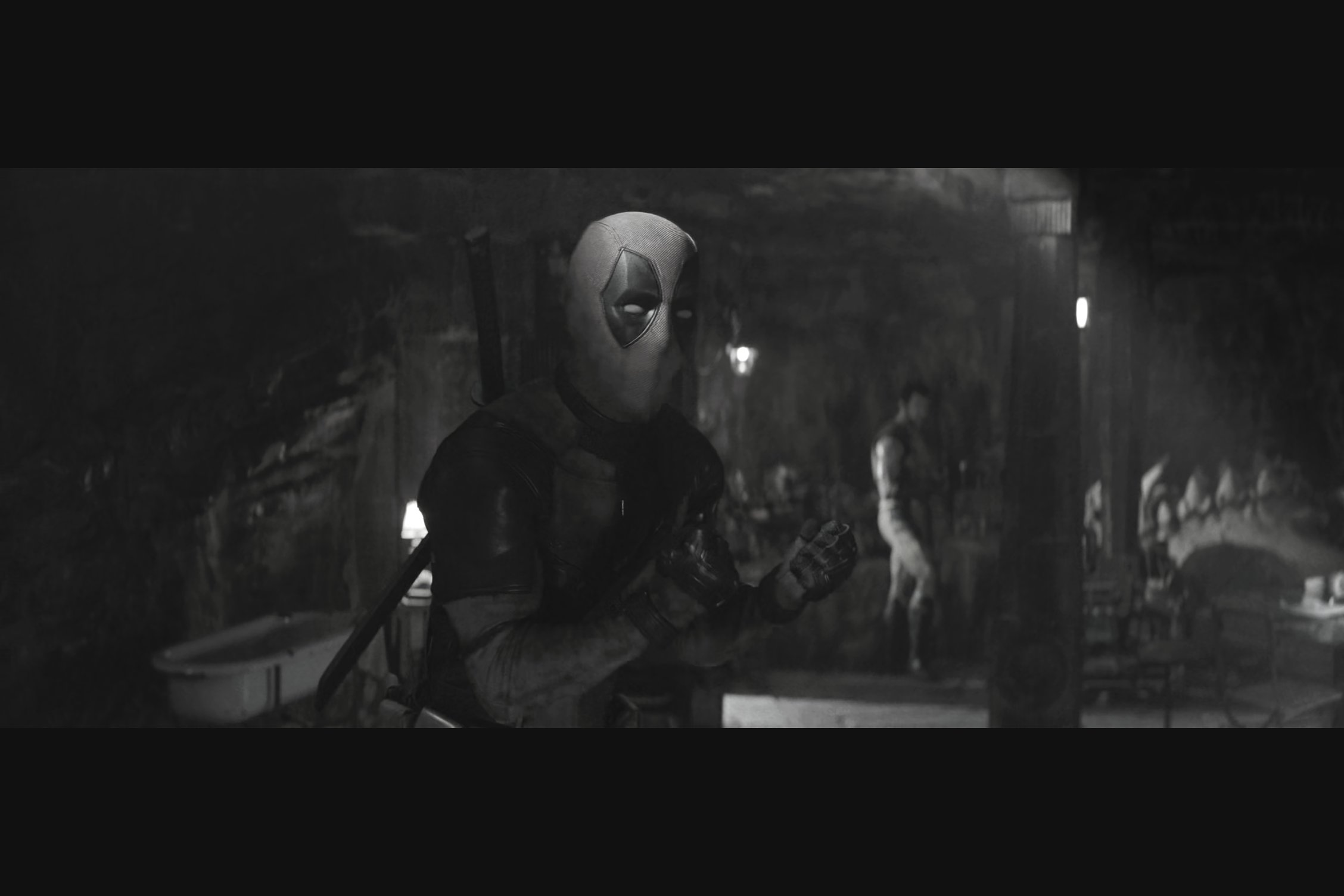
In this post, we’re going over the Marvel film Deadpool and Wolverine—two of the biggest comic-book stars in modern film.
The film has a challenge: merging two different styles together. The Deadpool films tend to be undersaturated, low-contrast movies; while the Wolverine films are dark, gritty movies.
The movie does this successfully, merging the styles together in a unique “Marvel“ way. It’s a pretty, modern looking film, with a lot of action and vast landscapes.
I’m going to go over the top 5 cinematography techniques used in the film. Some are obvious, some not.
Looking for inspiration? A fresh take on the simple?
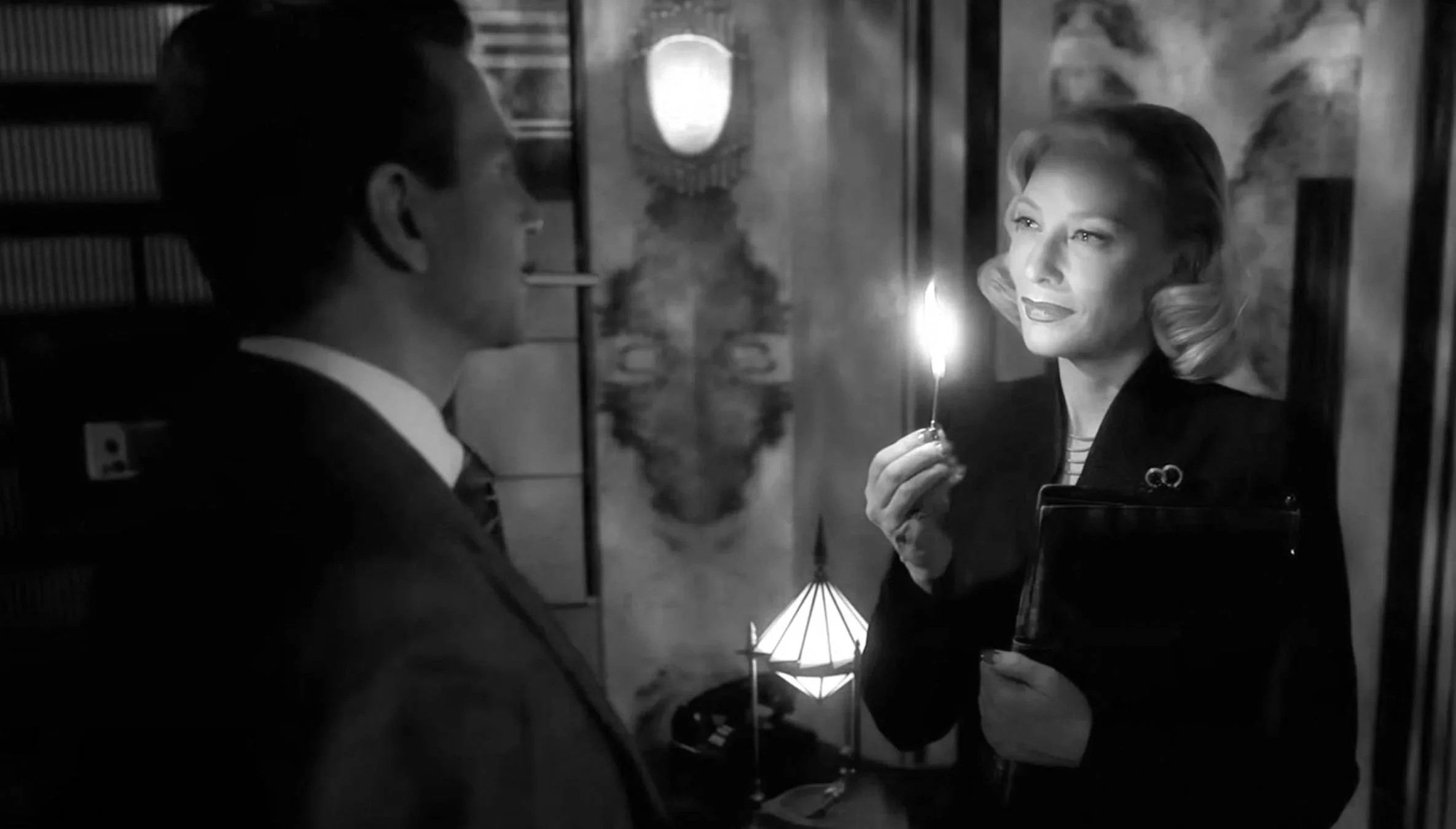
You’ve come to the right place. In this post, we’ll be taking a look at lighting your next shot. I’m going to share 5 ways you can setup your lighting setup in order to help you improve your lighting, or just give you new ideas. These are inspired from films—giving you a cinematic quality to your next setup. Some will feel old, while others will feel innovative and fresh; I guarantee you’ll take something new from it.
Why do we fall?
So we can pick ourselves up.
Each mistake is a chance to grow and learn something new. Without the mistake, one can’t improve.
A year in to starting the business, it’s fair to say mistakes were made. In this post, we’re going to be taking a critical look at the steps I should’ve taken, and ones I shouldn’t have taken at all. You can take away your own knowledge from this post, to make sure you don’t repeat my errors.
Let’s reflect on those errors and find solutions to the problems.
From the day this is published, it will be one year exactly since Newtown Productions was born.
Starting a business was a challenge, but one I’m glad I undertook. It has been rewarding in ways I couldn’t have imagined.
In this post, we’re going to focus on the success stories—decisions I made that paid dividends. Celebrating the wins is an important policy for any business operator, a policy that gets lost sometimes in the never-ending search for success. So let’s celebrate the 5 things I did right in my first year.
How to get more likes/shares/followers on social media: consistency.
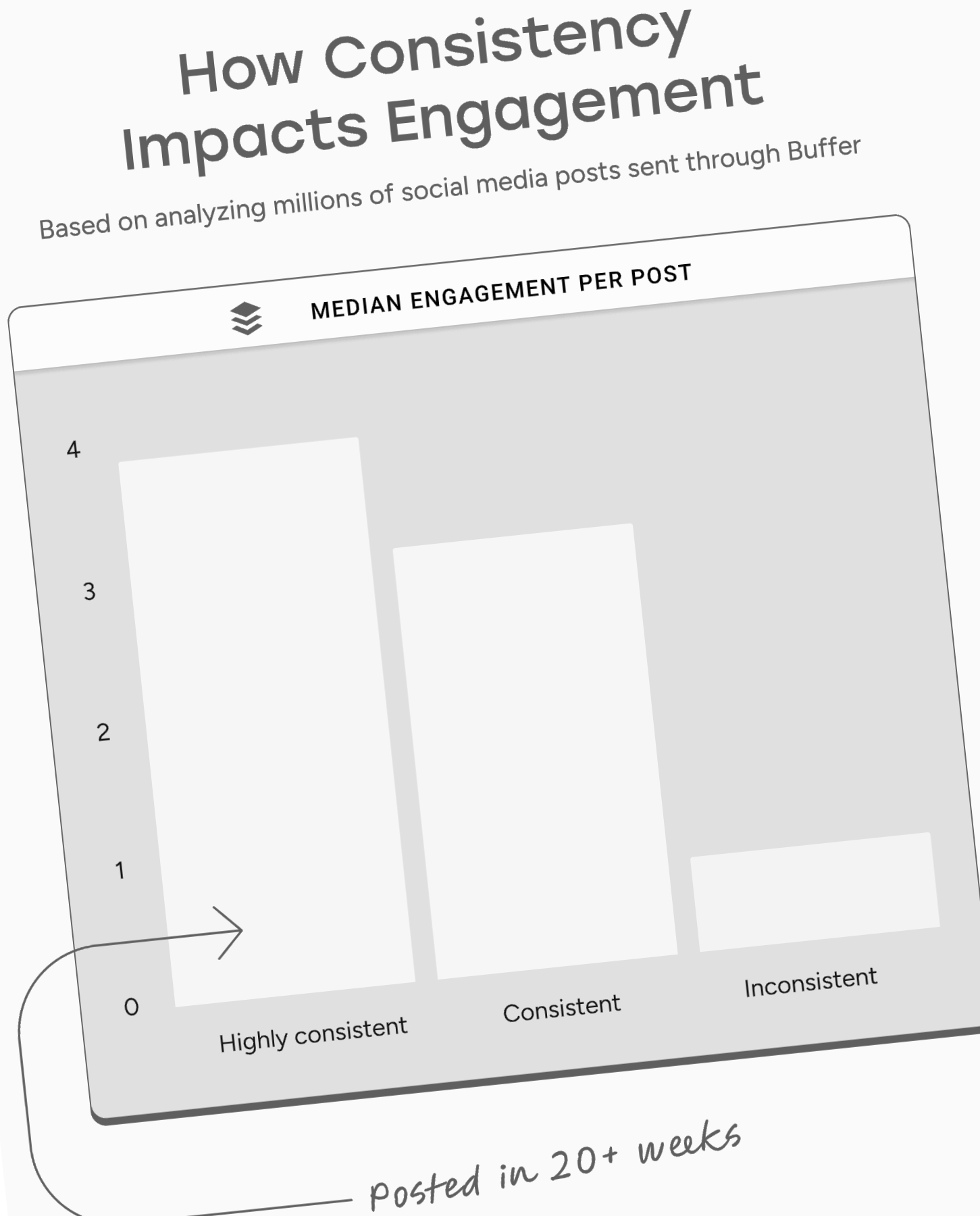
The truth is in, folks—consistent posting on social media is the key to better engagement.
Are you consistent?
Let’s look at the data first (found here: https://buffer.com/resources/consistent-posting-study/):
“We arrived at three groups of users ranging from inconsistent posting habits to consistent posting habits:
Inconsistent users posted 4 weeks or less out of the last 26 weeks
Consistent users posted 5-19 weeks out of the last 26 weeks
Highly consistent users posted 20+ weeks out of the last 26 weeks“
Here’s a fact that people often forget: A.I. is not always correct.
Gasp.
It’s true, sometimes you ask Chat GPT a question and you give it an answer it knows not to be true.
So you tell it, and…it says: “Yes, you’re correct.“
Then you ask again, providing new information, and once more it gives you the wrong answer.
At this point, you feel like you’ve wasted your own time and find the answer yourself. So you do that, but in the back of your mind, you think: There’s something not quite right here.
That’s how I felt recently. I was doing some research on a possible video topic—The biggest shows you’ve never heard of! In the video, I was going to put together a list of shows—mostly from Asia—that people would not have heard of before. That’s when the problems began…
You see, when you search the Internet for “the world“, it doesn’t search the world. It searches through one country—the U.S. You read that correctly. When you search the world, search results come back with results from one country only. How is that not a huge problem?
Cinema is dying, according to some, which begs the question: what/who will replace it?
First, a statistic: “Cinema ticket sales decreased by 8.8 percent globally in 2024 compared to the previous year, marking the first annual decline since the COVID-19 pandemic, as reported by the European Audiovisual Observatory (EAO) in Cannes on May 15.“ (seen here: https://www.torontofilmmagazine.com/post/global-cinema-attendance)
You’re reading this in 2026 or later, which means the number is going to have fallen further, given the latest trends.
Time to panic?
If you are the owner of a cinematic theatre…more than most.
Show, don’t tell.
What does that mean?
In this week’s lesson/ramble, I want to share the importance of showing, as opposed to telling.
Hear me out.
When people say “show, don’t tell“, they are outlining the best ways to tell a story. When storytelling, one has two options:
Tell - “I love my family,“ Sophie said.
or
Show - Sophie gave her family a big hug.
See the difference?
One is showing, the other is telling. Why is showing better? There are a few factors to consider, which I’ll give next.
Having published 35 Tiktok videos and a similar number on Youtube Shorts, I think it’s time to share some learnings.
I’ve learned a lot from posting two videos a week for a few months and I wanted to share them with you.
Some you will already have guessed, but some may surprise you…
Here are the 5 Lessons from my Analytics.
Recently, Sora 2 was announced and it got a lot of attention. According to OpenAI, Sora 2 is: “…our flagship video and audio generation model.“
These are the same guys behind ChatGPT, so you know it’s serious.
I’ve seen the demo video they posted a series of clips of their CEO, Sam Altman, in a wide range of ridiculous scenarios. One thing was striking—they all looked really good. Is realistic AI video here? Well…it’s not far.
There is still some fine tuning to do but the technology is capable of creating incredible imagery that easily passes for realistic footage.
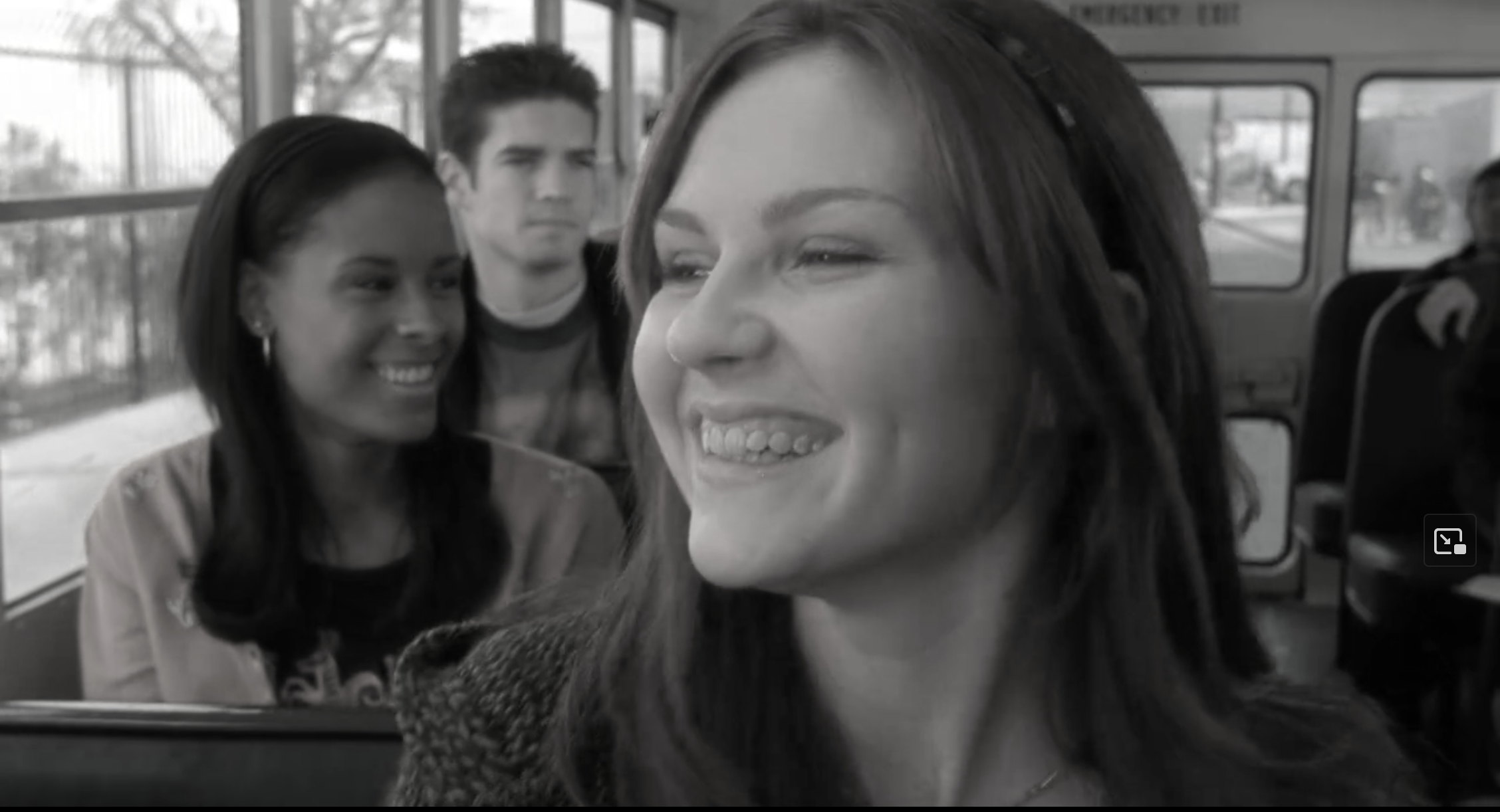
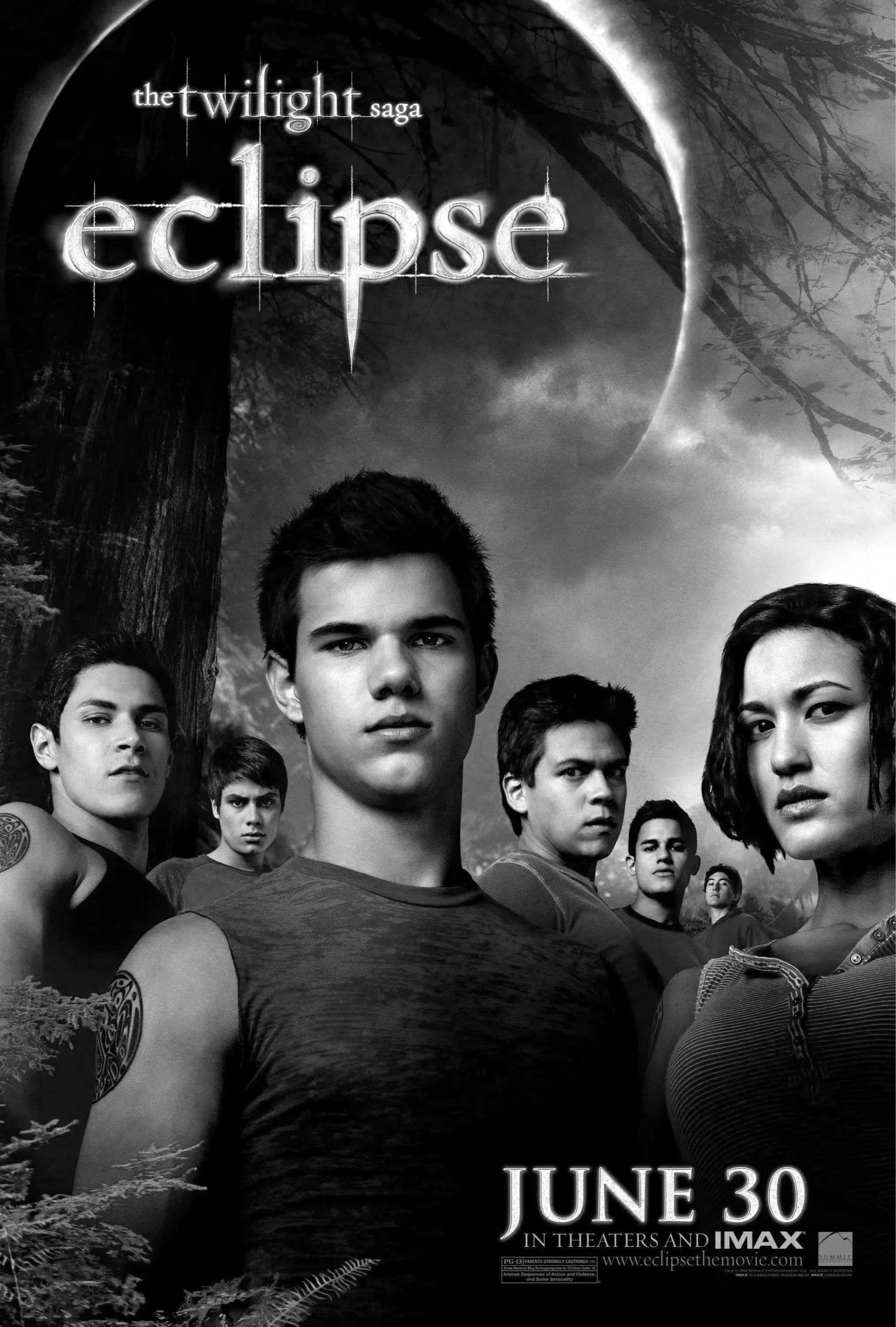
When Twilight - Eclipse released, it drew the usual reaction these films tend to do—men swearing they hated them and women pretending they weren’t enthralled by them. But…these films drew a huge silent audience, who watched with baited breath as the series evolved. With each film, there is a natural progression in scale and technical capacity; the franchise takes a step up each film. I’m going to be looking at the filmmaking techniques they used and why this franchise should serve as a template for success in the young-adult genre in the future.
Media is changing. It has always been evolving and will continue to do so forevermore.
While I was writing the previous post about women’s viewing habits, I noticed some changes and began to think more critically. Not just about streaming vs. television, but about the ways in which we consume content. People are leaning towards different outlets and styles today, much more than they have been in even the near past. I wanted to share my thoughts on the matter, some backed up with statistics, some more meandering thought-experiments. Along the way, we’ll find out the truth about media and how people consume it.
Here is the key to understanding women: the answer you’ve been looking for.
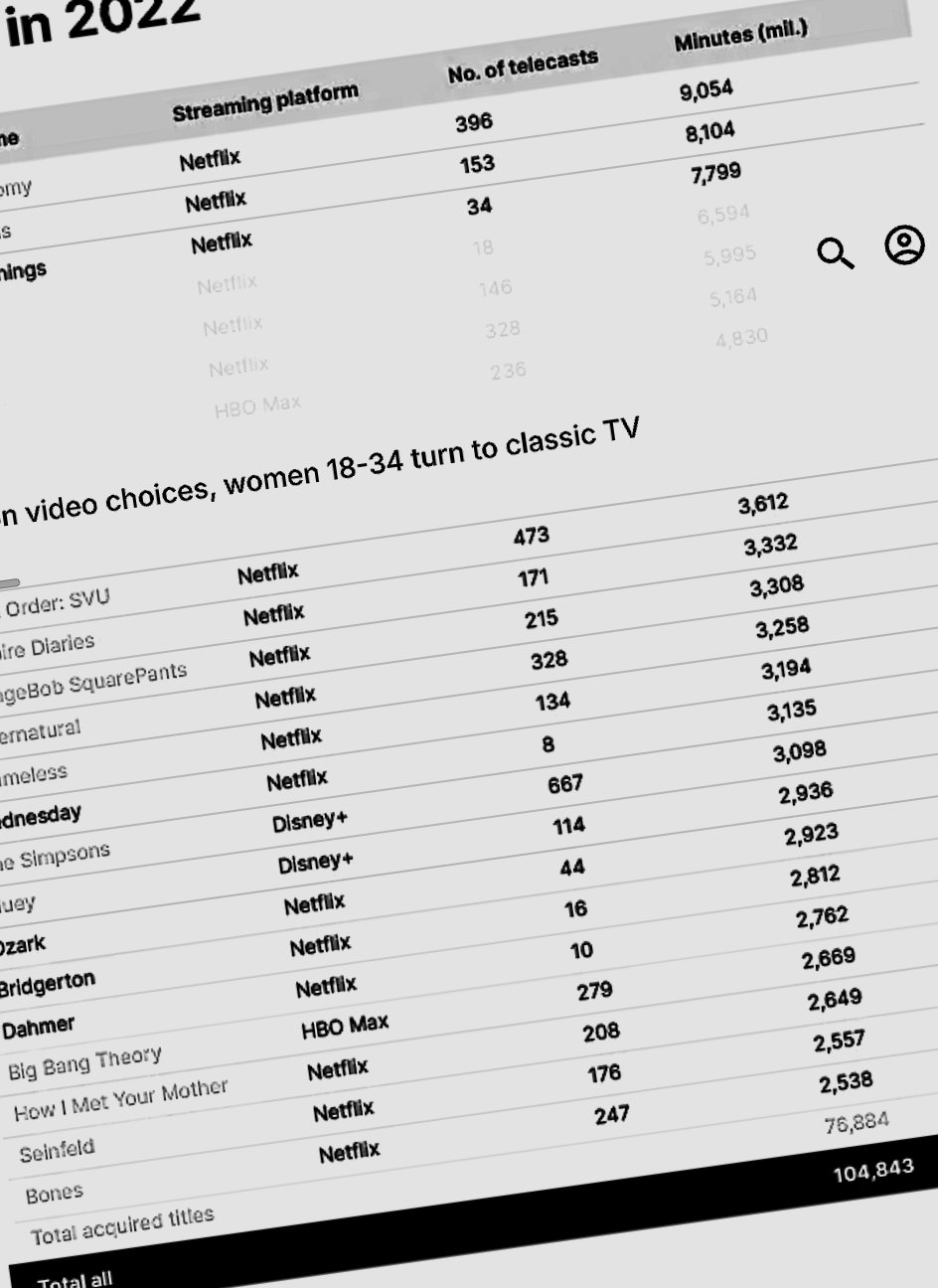
In this post, I’m going to dissect a report from Nielsen, released in 2023. The report is titled:
With almost 1 million video choices, women 18-34 turn to classic TV
Here is the link, if you want to read it yourself: https://www.nielsen.com/insights/2023/with-almost-1-million-video-choices-women-18-34-turn-to-classic-tv/
The report breaks down women’s streaming viewing habits, according to their in-house research. The results were mostly predictable, with a few surprises. Some of the answers require a bit of explanation.
V for Vendetta is the topic of this post. It is a film similar to the first Matrix film -evocative and has a unique way of telling its story. The film has dated quickly compared to other films that came out from the time. I couldn’t find any information on the camera system but it seems that they didn’t have a big budget for future-proofing (given I streamed it on a 55 inch television and it looked muddier than other films shot around that time).
I watched this film for the first time recently. It’s an eerie film—a slow burner that chips away at your pre-conceived notions until it sucks you in.
It could be easily renamed The Brad Pitt film because it’s mostly him being macho around other macho men.
It’s a nice looking film. It’s simple and it doesn’t try too hard, like a lot of other films in its genre. It creates a mood and it sticks to it.
The cinematographer was Wally Pfister, who has feaured in other blog posts on this site. I like his work. It has a safe, yet unique style that sucks you into the cinema experience, even if you’re watching at home.
Blog #16 7 Filmmaker Tasks I used to do that have been replaced by A.I.
The year is 2025 and artifical intelligence is here… nearly.
With OpenAI’s Chat GPT and many other forms of software using artificial intelligence freely available, the way I do things is rapidly evolving with no end in sight. Many of the menial tasks I didn’t enjoy doing, I no longer have to do because I can ask Chat GPT to do them for me. In this post, I am compiling a list of all the ways in which A.I. has made my workflow faster and easier. It’s amazing to think how different things used to be only a short time ago.

Blog #15 8 Things that changed from my business plan after starting my “real“ business (3 months in)
If you’re like me and wanted to go the proper route before starting your business, you will have created a Business Plan. This is a large document, about 20 to 30 pages, full of information about your business. I included things such as: product description, business goals, target markets, competition and financial outlook. A number of things ended up working out differently than my ideals in my business plan. Here’s a list of things that changed and the new ways I’ve begun thinking about them:
Blog #14 7 Things I learned from shooting a Short Film
My film was shot over the space of 2 days, with the meat of the film (a conversation between two people) shot in a few hours and the b-roll of the film shot on a second day over a couple of hours. I’m going to share some practical insights on shooting that I learned from the filmmaking process.

Blog #13 My Favourite (free) Software to use as a Filmmaker
In the life of a filmmaker, you will have to use many different pieces of software to accomplish different tasks. For the creative side, you will need a video editing software, scriptwriting software, photo editing software and even a sound editing software (sometimes called a D.A.W. i.e. digital audio workstation). On the administrative side, you’ll need a word processor, a spreadsheet software and a slideshow presentation program.
Let’s talk Spider-Man—the original one.
A lot of people have strong feelings about this classic, especially when they compare it to the polished new films from Marvel Studios. Whatever your preference, it’s clear that this film has heart—a lot of it. It’s shot on film, and definitely has an aged look. Some might call it nostalgic…
Here are the tech specs:
Shot on film using Beaumont Vista Vision Camera, Panavision Panaflex Millennium XL Camera, Panavision Panaflex Platinum Camera and Panavision Primo Primes Spherical Lenses
Don Burgess - Cinematographer
Aspect ratio: 1.85:1