Blog #32 The Changing Landscape of Media (2025)
Media is changing. It is evolving and will continue to do so forevermore.
While I was writing the previous post about women’s viewing habits, I noticed some changes and began to think more critically. Not just about streaming vs. television, but about the ways in which we consume content. People are leaning towards different outlets and styles today, much more than they have been in even the near past. I wanted to share my thoughts on the matter, some backed up with statistics, some more meandering thought-experiments. Along the way, we’ll find out the truth about media and how people consume it.
The rise of streaming: binging, less community-based and second-screen.
We’re all familiar with streaming sites, such as Netflix and Disney plus, to name a couple from a growing list. But, content is changing and it’s not just where we are watching it. These sites/apps allow us to consume content differently to how we used to do it.
For example, we used to only be able to watch shows when they came out on television, weekly. But now, we can watch a whole season in one sitting if we want to (probably shouldn’t though…). This allows shows to really immerse you into a longer, deeper experience. Producers have noticed this though and have began staggering episodes to “simulate“ the TV experience. This can have a lot of benefits, such as talking to your friends about the latest episode together and also building hype on social media. With this approach, the social media team could ask for fans’ opinion on a detail in the show and tease a detail coming up in a future episode—increasing engagement and hype.
There is also the phenomenon of the “second-screen“. It appears that producers are aware of the second-screen experience and pass notes about it to the filmmakers—rude! Either way, that shows series aren’t intended to fully grab your attention, they’re just intended to keep playing in the background, while you play Wordle on your phone, with the show on low volume. How do you make a show second-screen? Make it lighter, less serious, quieter and low stakes. I’m not recommending it though…
Streamers: they’re all the rage.
According to Resourcera (2025), linked here: https://resourcera.com/data/social/twitch-statistics/
The number of average concurrent viewers on streaming site Twitch rose from 2.78 million in 2021 to 3 million so far in 2025. This represents a steady increase, although nothing too crazy. It is worth noting that there was a pandemic in 2021, so that makes the 2025 figure more impressive when taken into account. People are watching streamers more; they provide a human connection that many aren’t feeling in their day-to-day lives. It’s the reality of the industrialised world we live in. This makes them more powerful (and richer), they have a huge influence over people’s thoughts but also have huge demands placed on them, not to say the wrong thing in the wrong setting. Streamers are here to stay, which connects to the next point:
The decline in mainstream outlets and rise of independent outlets
The Joe Rogan Experience episode featuring Donald Trump has over 60 million views now. 60 million. That is a gamechanger. Politicians have figured out that podcasts are a hugely influential platform, even greater than traditional outlets in the U.S.
Mainstream media can’t compete with that. It’s more than just numbers, too. It’s the experience. Podcasts, by their nature, are long form content. They’re deeper and more honest than traditional media outlets. People get to see the guest in a deeper and more honest form than they would in the glitz and glamour of half-hour programming. Which makes podcasts incredibly powerful and valuable. They're like modern-day Thunder-domes. If going on a popular podcast meant a political candidate was guaranteed to win, what’s a few million in guest fees?
Feeding into people’s beliefs—whether true or not
Stick with me. It seems the algorithms are focused on giving people what they want, even if it’s not true. I’ve noticed, for example, a huge rise in true-crime content, focusing on serial killers stalking vulnerable prey. The chances of this happening to you or me are extremely low but these shows have ballooned in popularity. Why? Well…
Whatever the reason, it feeds into people’s primal instincts. Safety vs. danger. Twists and decisions.
Increasingly, the internet is compartmentalising—whatever people’s beliefs are, there is a section of the internet just for you, telling you that you’re correct and that everyone else is crazy. But they’re not…
99 cent C-drama series
On a more fun note, C-dramas are a growing niche category. C-dramas is short for Chinese dramas, a type of content featuring episodes that last just over a minute and are released in vertical format. You often have to pay 99 cents in order to unlock the full series.
According to this article from last year: https://www.economist.com/the-world-ahead/2024/11/19/chinas-ultra-short-dramas-will-enjoy-long-term-success
C-dramas amassed more than 55 million downloads from viewers. It’s still growing.
It’s worth keeping up with these new trends. Some of them may become mainstream in a few years. Vertical content is not something we in the west are overly prone to but you never know…in the future, it could be weird to watch landscape clips on your phone. A lot of Chinese companies harvest huge amounts of data, so this wasn't some shot in the dark, this was a calculated guess based on people's habits and deep desires. Only time will tell.
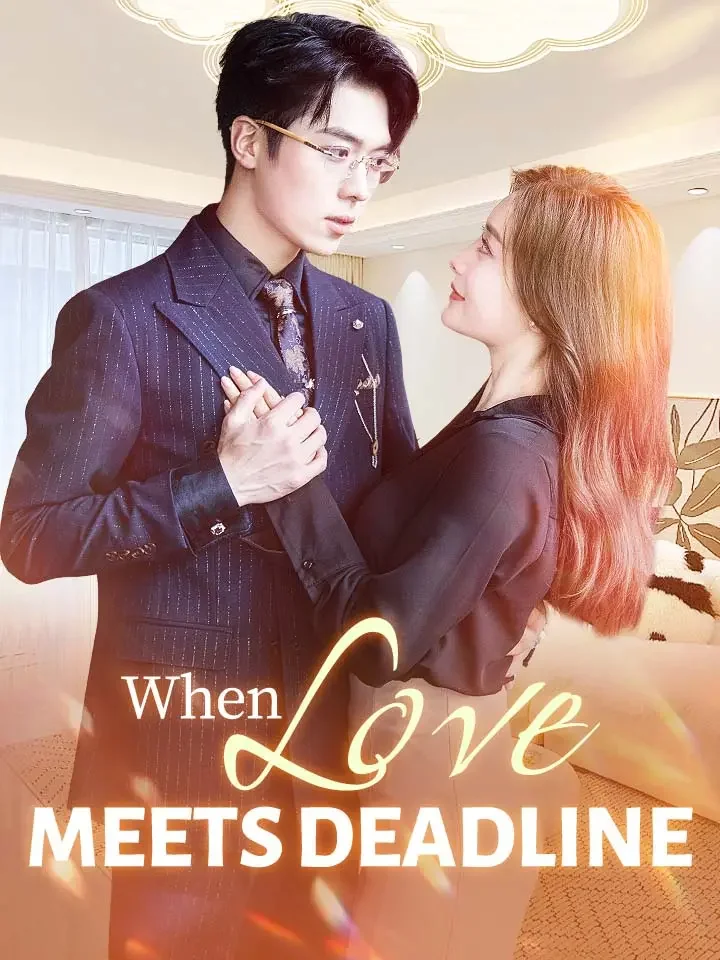
When Love Meets Deadline (2025)
Those are my thoughts. Hope you found something useful in here.
Thanks for reading and if you’ve any comments, let me know down below.
Good luck out there.
-D.C.