Blog #30 Cinematography Analysis - V For Vendetta (2005)
V for Vendetta is the topic of this post. It is a film similar to the first Matrix film—evocative and has a unique way of telling its story. The film has dated quickly compared to other films that came out from the time. I couldn’t find any information on the camera system but it seems that they didn’t have a big budget for future-proofing (given I streamed it on a 55 inch television and it looked muddier than other films shot around that time).
I have compiled five points on the topic of its cinematography. These were easy to observe because the film has a defined way of shooting. When I was watching it, I was noticing how many films and shows were inspired by it. The film clearly left a big impact on filmmakers, who have copied and pasted techniques from the film into their own work.
Here are five points on V for Vendetta:
Camera follows motion in fight scenes - There are many quick shots edited into the fight scenes (it reminded me of Hot Fuzz (2007)). What is noticeable is that the camera follows the motion in the action. For example, an actor falls down - the camera goes down also. The actor punches out, the camera follows, etc.
This is a hugely popular technique nowadays, so credit to the filmmakers, they were breaking new ground here. This technique helps immerse the viewer, making them move with the action and feel every bite.
Unsurprising the film uses warm interiors and cold exteriors - It is not subtle about it, when the film is inside the dressing room in the beginning, the lighting is warm. When we go outside into the streets at night, it’s cold - motivated by the moonlight and street lamps. Also, the news room is very moderate, mostly daylight balanced.
The film doesn’t reinvent the wheel here but this style kept it easy to grasp where we are and what time it was.
Leading lines - in an early scene, I noticed that there were leading lines along a red brick wall pointing to Natalie Portman’s character. This helped draw attention to her in a subtle but effective manner. This is a popular technique now, many people praise this method as an essential ingredient in strong cinematography. It certainly helps the film feel intentional.
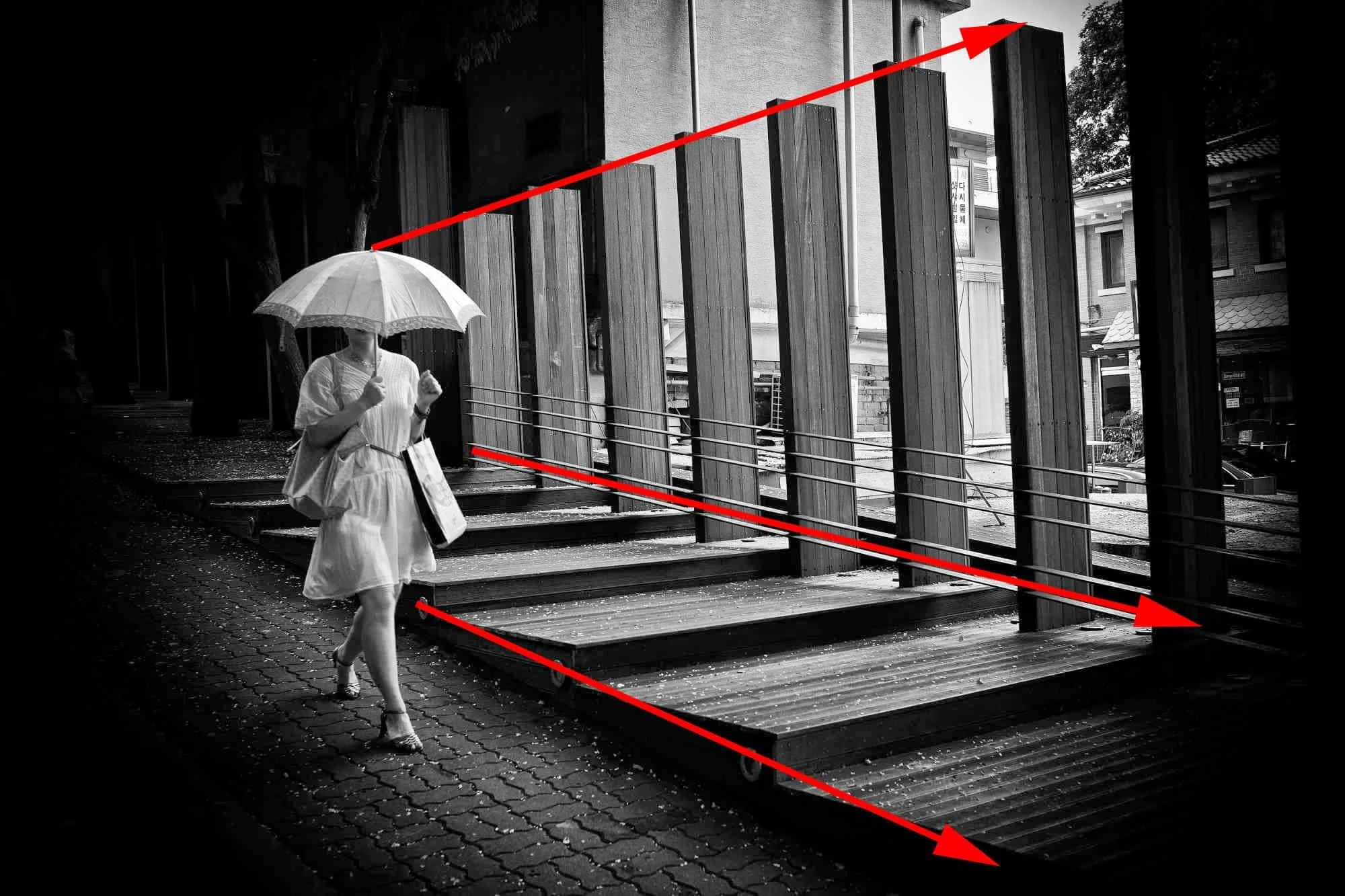
Leading lines example
4. Matching action - the film matches the framing between Natalie Portman’s character Evey and V in the beginning of the film. For example, if she was walking along in a mid shot, so was he in the next shot. The purpose of this technique is to draw a link between the two characters in a visual way. The film doesn’t have to say anything to connect the two characters together in the plot. This was clever foresight - shooting for the edit.
5. “Checkboard” pattern lighting - Another thing I noticed in the exterior street shoot in the beginning of the film was the use of checkerboard lighting. This technique employs a dark light dark pattern, creating a satisfying aesthetic that feels natural, yet stylish. Blink and you’ll miss it but it’s there in the film, just look.
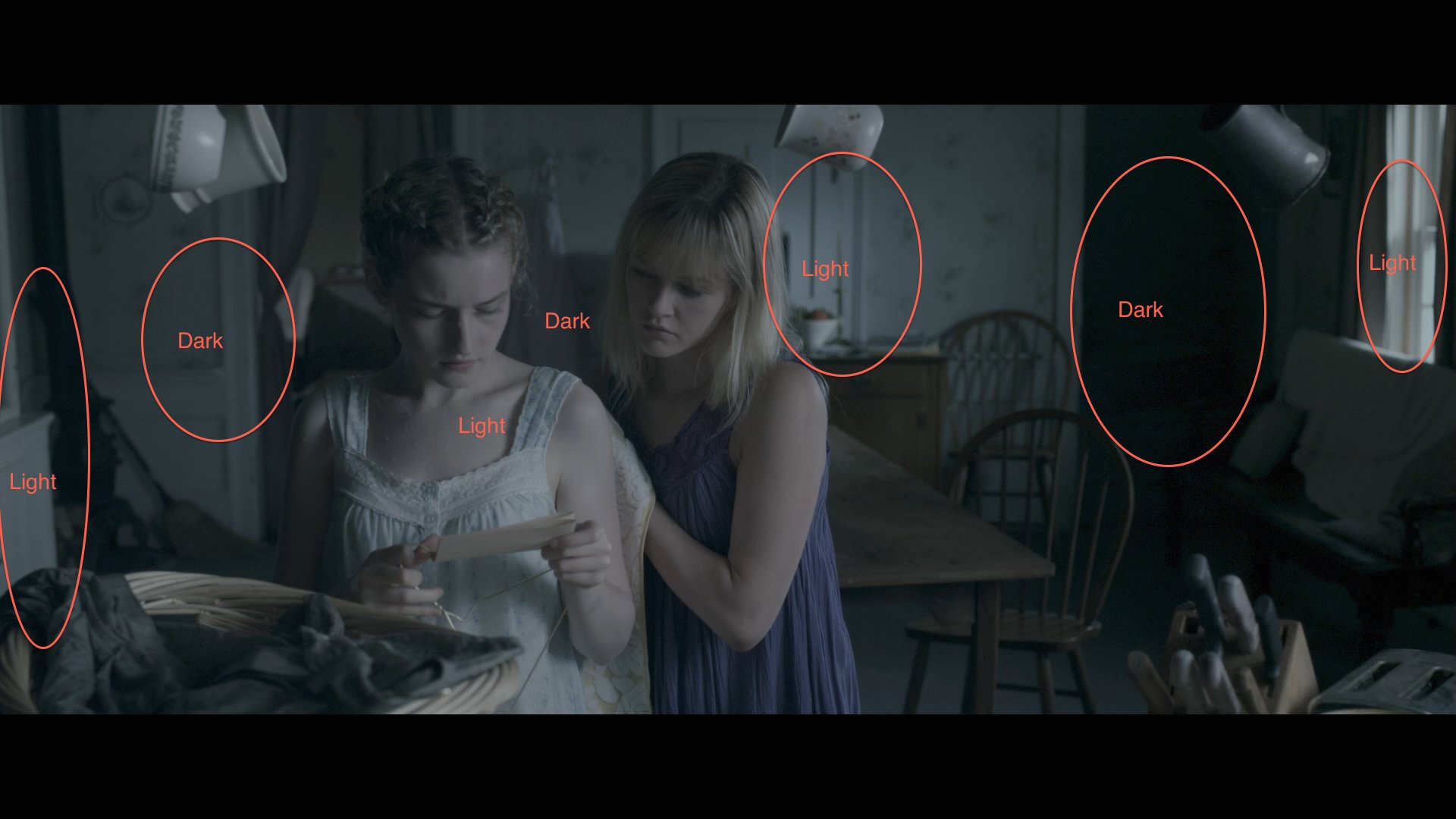
Checkerboard lighting example
Those are my quick five points on the film, I hope you can look at it in a new light now. I didn’t really connect with the film watching it in 2025. I believe I would have connected with it at the time of release but in this age, the editing feels slow and the story a little predictable. Predictable only because so many have taken from the film and used it for their own purposes
Thanks for reading and if you’ve any comments, let me know down below.
Good luck out there.
-D.C.